It never fails to happen.
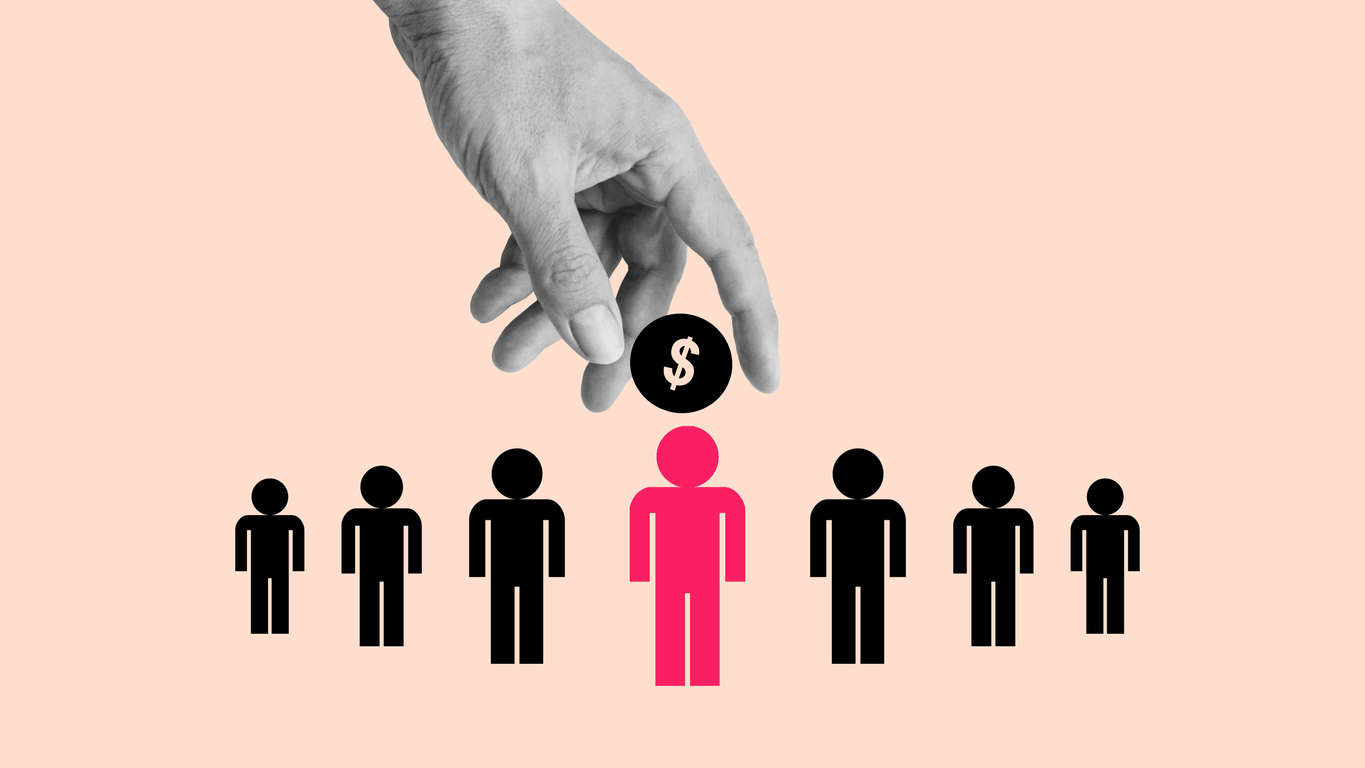
I'll be teaching my Social Media Boot Camp to a group of PR people when one of them will blurt out: "I get this, but you need to talk to my boss! He doesn't believe in any of this, and I can't get the budget.'
Sound familiar?
According to a
recent IBM survey, 82 percent of chief marketing officers still rely on traditional market research to drive their campaigns. Only 26 percent pay any attention to blogs, and a mere 40 percent track other online communication such as Twitter and Facebook.
For PR professionals and internal communicators, the study must be comforting. It's maddening to think that yours is the only PR department on Earth left stranded in the social media wilderness.
So, why is this the case?
The IBM report clearly identified one of the problems—too much data and not enough answers to the question, “What do I do with all these numbers?”
"The perfect solution is to serve each consumer individually,” said one of the 1,700 CMOs who responded to the survey. “The problem? There are 7 billion of them."
Although the number of companies launching products to measure and deliver analysis on social media continues to rise, the field is still cloaked in a fog of confusion over the correct approach. PR professionals view social media correctly as a way to extend the brand, listen to customer concerns, and build lasting relationships. The CMOs want to sell more product.
The PR approach sees social media as a long-term, ongoing program that is indispensable to the organization. The CMOs, weaned on advertising and direct marketing, demand results and a clear return on investment.
I recently spoke to the CEO and president of a major health care institution on the benefits of brand journalism and social media. At the end of my 90-minute presentation, the first question posed by the CEO perfectly captured the tension: “Mark, are you asking me to take a leap of faith, or can you promise me a clear return on our investment?”
My answer: I can promise a clear return on investment, but it won't be fast and it won't be easy. It will cost you a fraction of your $17 million advertising budget, but you must be in this for the long haul.
For the overwhelming majority of CMOs and CEOs, my answer leaves my lips and enters their ears as: “It's complicated. And no, I can't promise instant results.”
Of course, many companies understand the long-term benefits. Think Coca-Cola, Cisco, Starbucks, Ford, Disney, Southwest Airlines, and a growing number of hospitals and health care organizations.
But guess what? For those companies who were there at the beginning, it was the “leap of faith”—not instant results—that jumped them to the head of the pack.
There is good news in IBM's survey, though. A whopping 82 percent of the CMOs said they plan to increase their social media budgets over the next three to five years.
Hang on, PR people. Help is on the way.