Following backlash and controversy, Pride adjusts to a new normal
“Corporate dollars are not to be taken for granted.”

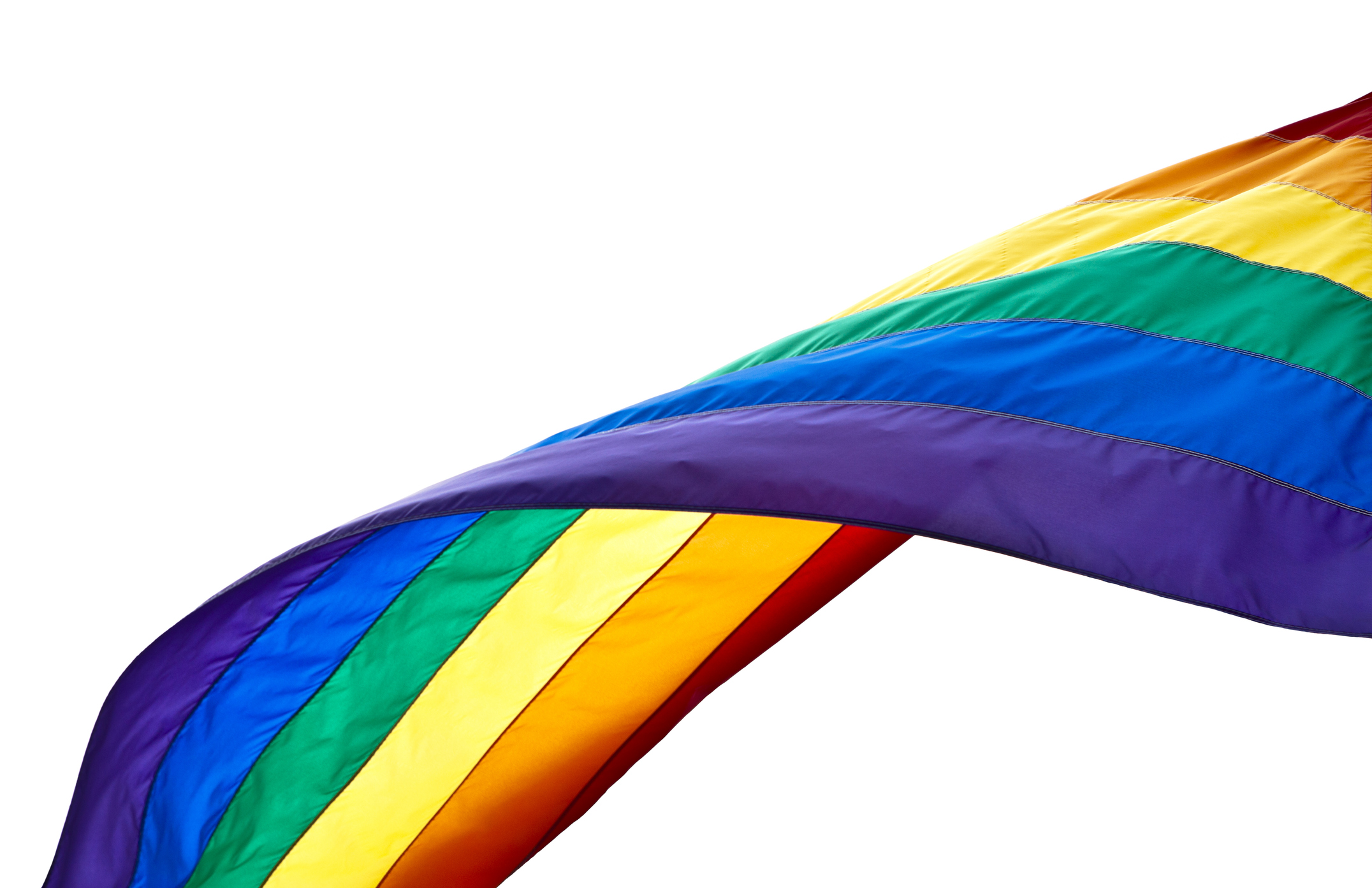
With June just around the corner, brands and Pride organizers are settling into a new normal — one that is drawing far less attention than in the past.
“It’s been quiet, certainly quieter than last year,” said Michelle Lawless, vice president of Media Minefield, a PR and crisis communications agency based in Minneapolis, about news tied to Pride and corporate sponsorships.
A recent survey of communication executives conducted by research firm Gravity Research found that an overwhelming majority of businesses (89%) are keeping their involvement with Pride-related activities the same as last year. However, 2025 saw a 39% decline in participation, which appears to be the new normal.
Increased scrutiny of brands
There’s little doubt that scrutiny over how brands decide to promote themselves throughout the month of June has intensified in recent years.
“Audiences have grown increasingly skeptical of one-off Pride campaigns or temporary logo changes, particularly when they don’t see year-round support for the LGBTQIA+ community through employee initiatives, partnerships, product decisions or other tangible actions,” said Amanda Conte, associate vice president at Red Thread PR, a Philadelphia-based public relations agency.
Conte added that, today, authenticity and consistency matter more for brands than a rainbow-colored flash of relevance.
One example of a brand that’s remained committed to LGBTQ+ marketing for more than 40 years, beginning with placing an ad in The Advocate magazine in 1981, is Pernod Ricard’s Absolut Vodka. This year, it’s offering financial support to West Hollywood’s Pride event and the Outloud Music Festival.
“Absolut believes that queer culture positively influences popular culture, and this is a belief we’ve held true to since the 1980s,” said Bethan Hamilton, Absolut’s brand director. “We continue to stand with people and organizations who share our core values of inclusivity, community and self-expression — including maintaining longstanding partnerships with organizations like GLAAD to help advance LGBTQ+ visibility, advocacy and education.”
For brands still deciding whether to get involved in Pride this year, Media Minefield’s Lawless advised doing an honest assessment to determine where each of the company’s stakeholders — from customers to employees to investors — stand on the matter. Organizations, she added, don’t need to speak out on every social issue.
If brands move forward with a Pride sponsorship or show of support on Instagram, Lawless stressed the importance of sticking with it, regardless of what some people might say.
“There’s nothing we hate more than people who flip-flop,” said Lawless. “It’s really important that organizations and their leaders think about the alignment between supporting a social issue and who they are and how they want to be seen.”
A new playbook for Pride organizers
Pride coordinators are still navigating the consequences of 2025’s decline in corporate support.
Kevin Kilbride, media and marketing manager at Heritage of Pride, said that while the number of brand partners has rebounded, they’re not giving as much as they have in the past. He noted last year taught the organization an important lesson: “corporate dollars are not to be taken for granted.”
Around this time last year, Heritage of Pride, the nonprofit behind New York City’s Pride events, debuted a peer-to-peer fundraising campaign to help offset a $750,000 budget deficit “attributed to dips in corporate sponsorships and related support.”
This year, Heritage of Pride is hoping to raise $100,000 from individual donors.
In the Minneapolis-St. Paul metropolitan area, Andi Otto, executive director of Twin Cities Pride, said corporate sponsorship has remained steady compared to last year. One difference: lower levels of public donations.
When the organization parted ways with Target over its decision to roll back diversity, equity and inclusion programs in early 2025, Twin Cities Pride received a flood of financial support from the community. The same thing just isn’t happening this time around.
“Without that steam, and due to a variety of other factors, we need to make up about $200,000 this year to support all of our programming efforts,” said Otto.
Both Kilbride and Otto mentioned another trend that may become part of the Pride playbook moving forward: more partnerships with local businesses.
Eve Keller, co-president of the United States Association of Prides, a nonprofit that supports Pride coordinators across the country with resources and networking opportunities, said many organizers are modifying their sponsorship options to make room for smaller companies looking to partner at lower price points.
This approach, Keller explained, also aligns with a growing preference among consumers to shop at neighborhood businesses that match their values.
As Keller put it: “Folks want to keep their money in their community.”