Your executive crisis prevention playbook
Executives keep behaving badly. Be ready now.
Jacqueline Keidel Martinez is president and chief communications officer at Digital HQ.
2025 felt like a banner year for C-suite misconduct and executive missteps.
Nestlé’s CEO’s undisclosed romantic relationship with a direct subordinate. Campbell’s CISO crisis and whistleblower retaliation (“bioengineered meat,” anyone?). Kohl’s CEO’s improper business deals with a romantic partner. The unthinkably public outing of Astronomer’s CEO and CHRO’s romantic affair at a Coldplay concert.
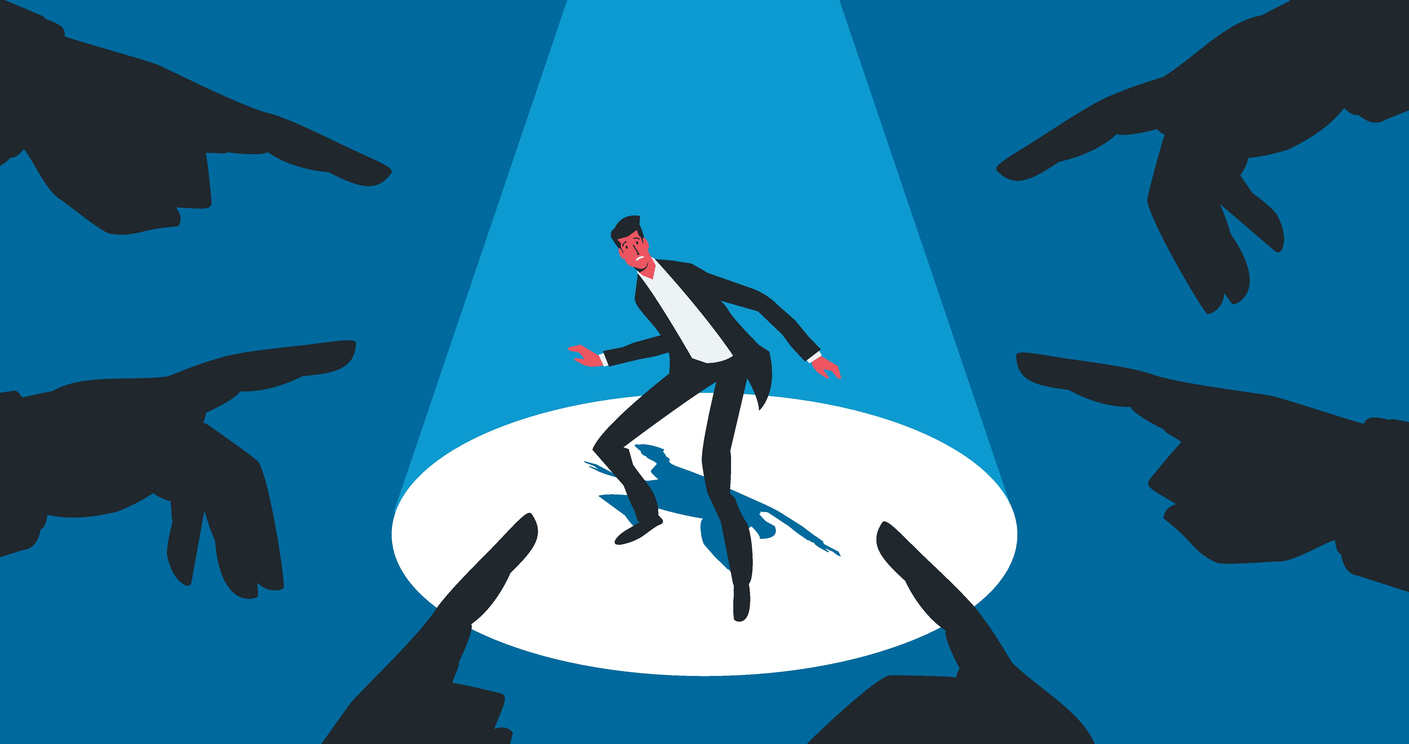
Each crisis followed the same pattern: executive behavior that violated stated company values, delayed or inadequate response from leadership, and compounding damage that could have been prevented.
None of these scandals were unpredictable flash floods. They were structural failures brewing for months or even years.
The pattern behind the executive crises
What made 2025 different wasn’t the existence of executive misconduct. It was the speed at which private behavior became a public crisis, and the severity of consequences for organizations that weren’t prepared.
What changed: Private executive behavior now surfaces publicly within minutes, not months.
The Campbell’s case exemplifies this perfectly. When whistleblower Robert Garza reported his VP’s behavior in January 2025, he was fired within weeks. But VP and CISO Martin Bally remained employed until November, only facing consequences when the story went public via lawsuit. The message to every employee was clear: Organizational hierarchy matters more than values. The cost to the brand included stock volatility, a Florida attorney general investigation, and permanent association with “bioengineered meat” in brand searches.
This wasn’t a crisis response failure in November. This was a governance failure in January.
Why traditional approaches are failing
Most organizations still treat executive behavior as an HR issue. They have policies, codes of conduct and whistleblower hotlines. But these are compliance checkboxes, not strategic risk controls.
The gap becomes obvious when you ask: Who’s responsible for managing executive visibility and behavior as a brand strategy issue? In most companies, the answer is no one. HR handles complaints reactively. Communications handles crisis response after damage is done. Legal focuses on liability mitigation.
Meanwhile, every vice president and above is publishing your brand values daily through their actions and interactions. Without proactive management, you’re accepting unmitigated risk.
Your prevention framework
The organizations that avoid becoming headlines will be those that treat executive accountability as always-on brand work, not a compliance checklist. Here’s your operational playbook:
Prevention pillar 1: Executive digital footprint audits
What to audit quarterly:
- LinkedIn profiles and recent activity (posts, comments, recommendations)
• Speaking engagement content and panel participation
• Industry event behavior (conference social media tags, networking interactions)
• Internal team culture indicators (culture surveys, retention data by department)
• Public statements or interviews that could conflict with company values
Red flags to escalate immediately include values misalignment in public or private statements, team culture concerns in anonymous feedback, behavior reports that go unaddressed, and social media activity that could damage brand reputation.
Who owns this: Communications leads with HR partnership. This is what strategic brand management must look like when every internal email is leaked, every social media DM is screenshoted and every conference engagement is on the record.
Prevention pillar 2: Rapid response protocols
Create decision trees for different scenarios:
- Internal complaint about executive behavior: Immediate protection for the reporter, independent investigation launched within 24 hours, executive placed on leave if behavior is substantiated, transparent communication about outcomes to appropriate audiences without violating privacy.
- External report of executive misconduct: Verify facts immediately, issue a holding or acknowledgement statement, assess legal and reputational risk, determine action within 48 hours, communicate the decision internally before issuing an external statement.
Speed matters here. Campbell’s 10-month delay between internal complaint and action turned an HR issue into a public crisis. Your protocols should prioritize rapid assessment and decisive action.
Prevention pillar 3: Values enforcement infrastructure
Move beyond values statements to values enforcement:
- Executive performance reviews should include “living company values” as weighted criteria, not a checkbox. Gather anonymous, 360-degree feedback that specifically addresses values alignment.
- Consequence frameworks should pre-establish what happens when executives violate values, regardless of department or seniority, and be transparent to the leadership team.
- Cultural audits should include quarterly anonymous surveys specifically about leadership behavior and values alignment, with trends tracked by department and executive.
Accountability transparency matters. When executives are held accountable for values violations, communicate this appropriately. Silence creates the perception of tolerance.
Campbell’s had a $1.5 million social justice fund commitment while an executive allegedly mocked colleagues’ ethnicity. Values enforcement clearly stopped before reaching the executive level. Your infrastructure should ensure this gap doesn’t exist.
What communications teams should do
Month 1: Conduct an executive digital footprint audit. Document the current state of executive visibility across the leadership team and identify any immediate red flags.
Month 2: Develop rapid response decision trees with HR and legal. Secure leadership buy-in on protocols and time frames.
Month 3: Implement quarterly cultural audits focused on leadership values alignment and establish baseline metrics.
Don’t view this as additional workload for an already stretched communications team. This is how you put strategic brand protection in place, rather than worrying about reactive crisis management later.
Stop a crisis while it’s simmering and it will never come to a boil
The executive crises of 2025 weren’t sudden scandals. They were preventable failures months or even years in the making. They became public disasters because organizations treated executive behavior as an HR checkbox rather than a bottom-line brand risk.
In 2026, the organizations that thrive will be those that understand every executive is publicizing brand values right now. The only question is whether that reality is part of your reputational protection plan — or whether you’re waiting for your own “bioengineered meat” moment.