The Scoop: Pabst Blue Ribbon offers ‘no questions asked’ deal for stolen beer
Plus: Instagram changes how it labels AI-generated influencers; using tariff refunds as PR.

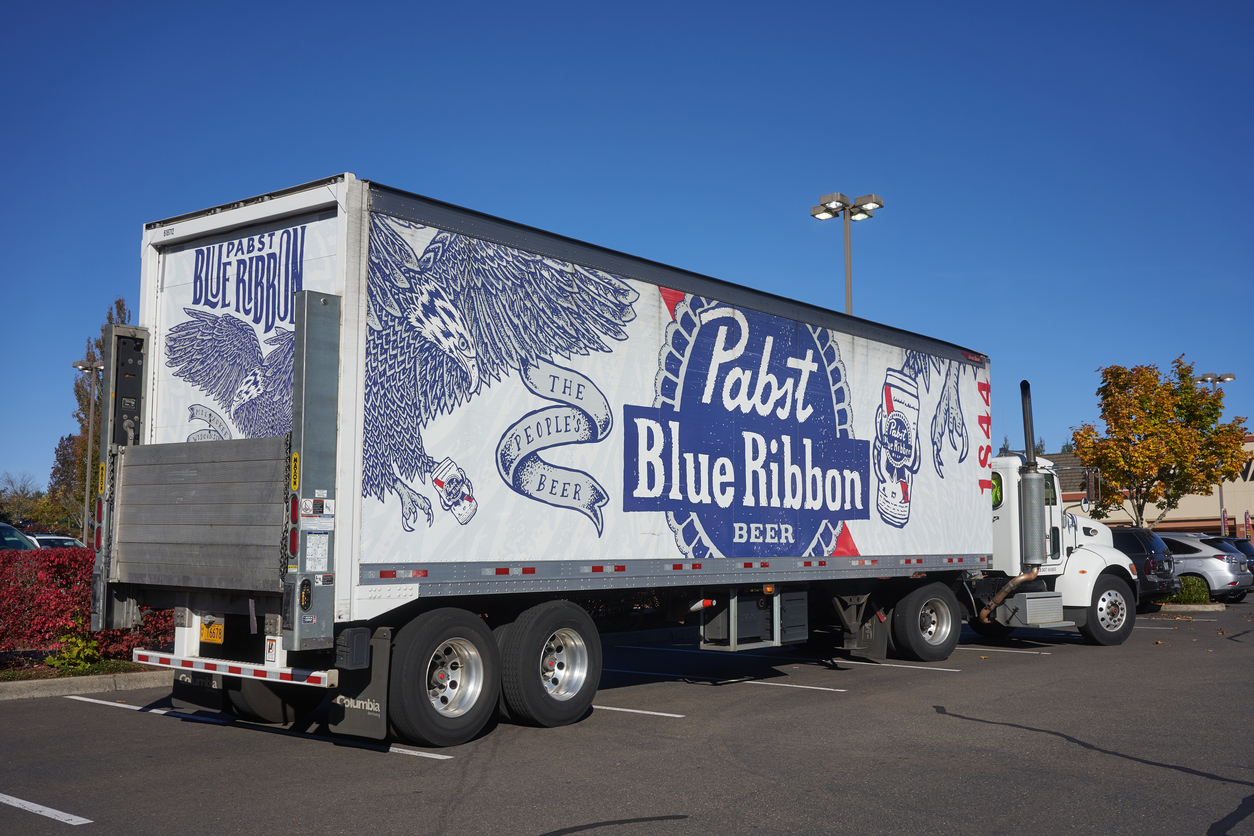
A truckload of 40,000 pounds of Pabst Blue Ribbon was stolen in Montclair, California. Not the truck, just the contents.
In a strange turn, the beer brand has offered a deadline for its return. If the beer is given back within 18 days and 44 minutes (corresponding to the year PBR was founded), the brand will offer “no questions asked” forgiveness.
View this post on Instagram
The playful post included a number of cheeky details, including that a picture included in the post was “not of actual truck … because we can’t find that one” and noting that a logo of the Montclair Police Department was not real. “We just needed it to look legitimate so you would pay attention – now will you please help us find our truck?”
The social post has paid off, even landing coverage in the New York Times and garnering more than 45,000 likes on Instagram, with the earned value of this marketing likely exceeding the value of the truckload.
The stunt calls to mind the KitKat heist from earlier this year, which spawned a wave of memes and copycat brand posts after an odd post from the brand noted that after KitKats were stolen in Europe, “there are no concerns for consumer safety and supply is not affected.” KitKat’s response went on to earn Cannes Lions.
Why it matters: The response is a fun, lighthearted extension of the brand. They aren’t taking the heist too seriously (though it would be good to get the beer back, too) and are using it as an opportunity to further its carefree brand persona and earn some free publicity.
This is a demonstration of how you can turn even a negative event into a community building moment. The moment works because no one was injured, there’s no risk to anyone, and of course, PBR insured the contents of the truck. By offering a mock-helpful, mock-threatening post, they can poke fun at the moment while also potentially getting their beer back. Everybody wins.
What is an AI-generated profile on Instagram?
Instagram is changing the way it handles what were formerly known as “AI creators” (that is, purely AI-made avatars). Now, the label will be changed to “AI-generated profiles,” Instagram said in a blog post.
Instagram said it hoped this labeling change would make it clearer what the accounts were. It also plans to limit the reach of synthetic profiles that do not use this voluntary label. This does not apply to real, human creators who use AI as part of their process. It applies only to entirely AI-created entities.
“As generative AI becomes a bigger part of how people create, we’ve heard that people don’t like seeing a profile that seems human, only to find out later that the person featured is AI-generated,” the post says. “They want to know when a profile features an AI-generated person.”
This is part of a broader, continuing shift to appease consumers who are often frustrated as it becomes increasingly difficult to tell what’s real and what’s AI. By making the label less ambiguous (AI creator could mean a creator who made things with AI, for instance), Instagram is making audiences feel heard. It also puts pressure on brands that work with AI-generated profiles to ensure they are following the rules and emphasizing transparency.
What are companies doing with their tariff refunds?
After a court ruled that many of the Trump administration’s tariffs were improper, many retailers received back huge sums of money from the government. Now, some are using that money to pass discounts on to customers, in a move that’s paying off in both PR and for the bottom line.
“In this environment, as refunds on tariffs are coming through, our commitment is to be able to utilize that to provide great value back to our customer,” said Tractor Supply CFO Kurt Barton to the Wall Street Journal. “So it’s where we’re reinvesting today to be able to help maintain our margins.”
Makeup company e.l.f. Beauty is similarly putting tariff refunds to permanently reduce prices on about 10% of its products, in addition to shorter-term discounts.
“The consumer is telling us, they’re voting with their dollar,” said CFO Mandy Fields. “These price reductions are resonating.”
Consumers want to pay lower prices, sure. But they also want to hear that brands are using tariff money to benefit them, not just the company’s bottom line. Reducing prices is great, but ensuring your customers know how and why those prices were reduced is even better.
How do I get a Walmart rotisserie chicken bag?
Fall’s hottest fashion accessory is a purse designed to look like the bag a rotisserie chicken comes in.
Walmart’s stunt for National Chicken Month retails for just $5.97, the same price as one that comes with the chicken inside, and comes in both regular and lemon pepper options.
“With more than 15K social mentions in the last year, Walmart’s rotisserie chicken has officially reached a whole new level of fan-favorite status,” Kim Tunick, Walmart’s group director of brand experiences and partnerships, said. “We wanted to celebrate this fandom by giving the rotisserie chicken its own moment.”
The bags will drop on Sept. 1 and will likely sell out in short order as guests rush to capitalize on the silly, low-price way to show their chicken fandom.
These stunts are a way to build community and get a little extra press, with any proceeds from the actual sales a bonus. They’re fun, silly, and allow people to act as walking billboards for you.
Allison Carter is editorial director of PR Daily and Ragan.com. Follow her on LinkedIn.