The Scoop: How companies are preparing for wave of Congressional investigations
Plus: Advent calendars rule social media; Sesame Street’s major comeback.

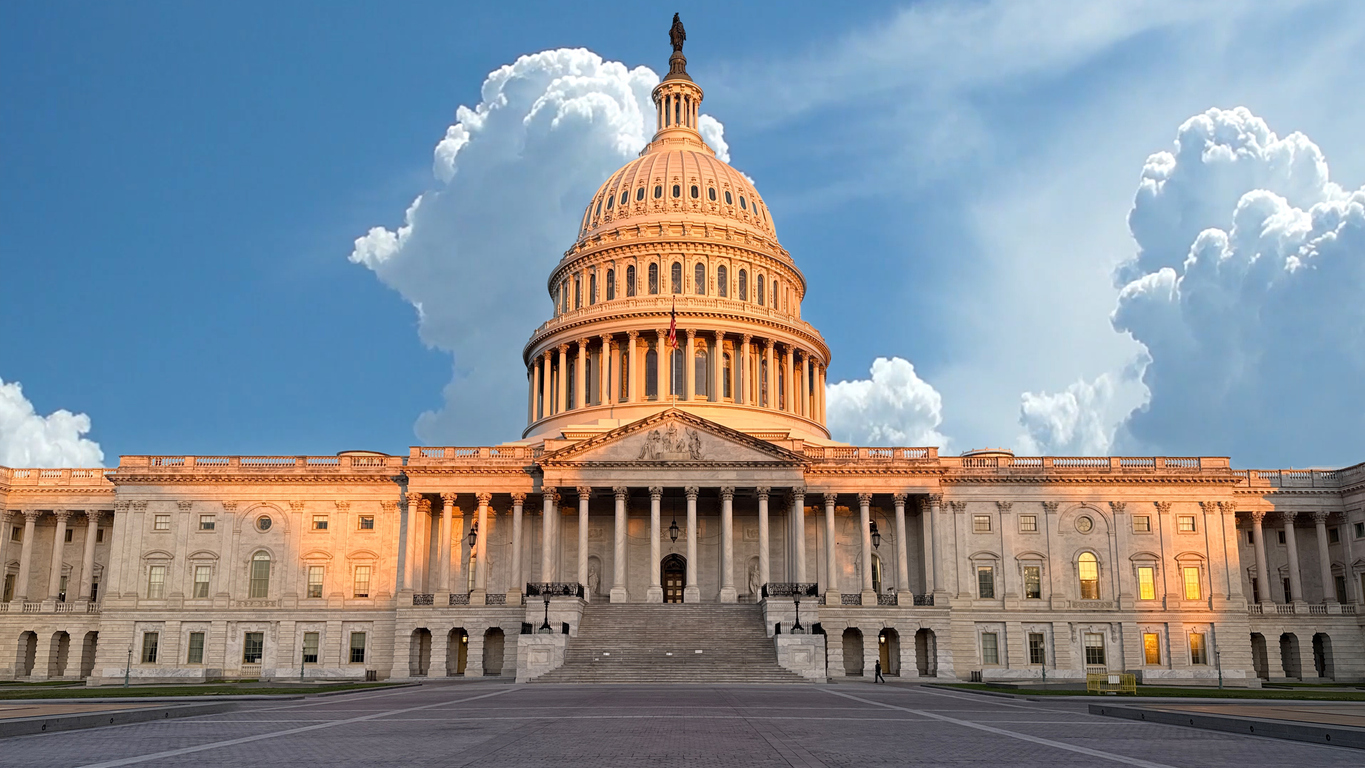
The American public’s concerns over affordability and corruption helped propel a Democratic majority to Congress. Now, that sentiment is emboldening legislators to wield their investigative powers against big companies and their policies.
Among those firmly in the crosshairs for the incoming Congress are Amazon, Apple, Walmart and Live Nation, which have already received demands to produce records by Jan. 4, the first full day of the new Congress, according to the Wall Street Journal.
That means extensive internal audits, lots of lawyers, but also plenty of preparation for testifying and accompanying statements to internal and external audiences.
In other words, high-stakes comms practice.
Why it matters: Communicators preparing public statements on investigations are in for a rough time.
They’re facing a feisty and empowered Congress as well as a president who has proven willing to punish businesses he sees as political opponents. And that’s all against a backdrop of a populace that’s angry with the rising price of everything and just wants life to be affordable again.
It’s like being stuck between a rock, a hard place and the raging ocean.
Expect most statements to stick to the bland basics and read something like this:“Our company is committed to keeping prices low and serving the American people. We look forward to setting the record straight.”
The harder part, of course, will come during the Congressional questioning, which is as much a chance for legislative members to grandstand and build their own personal brands as it is a true inquiry. Most of the leaders called to testify will already be extensively media trained, but testifying before Congress is a special kind of stakes, requiring intensive and specialized preparation. Expect quotes to be pulled out of context, clipped for social media and spread virally. Prepare your own “greatest hits” moments from the testimony that you can share, with your own messaging.
And, of course, good luck.
The rise of advent calendars as social media powerhouse
This time of year, brands ranging from cheese to fashion roll out advent calendars, allowing users to open a door for the first 24 days of December and receive a little treat. These have become major social media moments, as influencers turn the item-a-day calendars into an all-at-once unboxing extravaganza, showing users exactly what’s inside — and whether they should purchase a calendar.
That’s what makes advent calendars a major marketing player, helping to market everything from tinned fish to jars of jam, driving sales not only during the holiday months but afterwards as brand knowledge and affinity grows.
However, there’s a risk as well. When the boxes don’t deliver on the promise of a fun little treat, or the cost feels disproportionate, the backlash can be swift. Take the case of Skims, whose $150 advent calendar yielded a handful of scrunchies and bobby pins that creators likened to things you’d find under your couch. In response, the company offered full refunds.
Everything that can bring you positive PR can also bring you negative PR. If something doesn’t deliver on its promise to audiences, it’s communications’ role to help act as their advocate.
Sesame Street stages an audacious comeback through partnerships, live events
After a tumultuous few years, Sesame Street is returning to its former glory. The beloved children’s brand had been challenged by the end of a deal with HBO and a significant reduction in federal funding. Part of the reason for its success comes back to new deals it’s forged, including with Netflix, YouTube and Tubi. But there’s also a significant communications aspect at play, including popular collaborations with celebrities, social friendly content and even in-person events. These includecharacter Abby Cadabby speaking to children affected by wildfires in Washington state.
“We did an incredible event for all the families that were displaced as a result of those fires, and brought the Muppets and Abby into an environment where they could really bring some hope and a sense of comfort to those children and families who are dealing with what was a terrible situation there, and that was acted upon with incredible agility by the team to be able to pull together,” Joseph Giraldi, Sesame Workshop’s COO, told The Hollywood Reporter.
By being unafraid to mix up their traditional formula and forging new partnerships, both in front of and behind the camera, Sesame Street has held onto relevance for decades and is endearing itself to new audiences.
ChatGPT ads are off to a slow start
When OpenAI announced its plans to include ads within ChatGPT, there was skepticism from users. Now, there’s also skepticism from advertisers, even though 100,000 have signed up.
Early tests have revealed that ChatGPT is earning advertisers just $0.89 in revenue per U.S. session, compared to $2.45 for Google search ads.
While it’s of course early days yet, that’s a big gap to make up. “Right now, the growth of OpenAI’s ad business is limited by the size of ChatGPT’s free user base, the scarcity of ad-relevant conversations, and the tight ceiling on how many ads users will tolerate before abandoning the product,” Business Insider reported.
It’s an attractive audience in theory, but whether it will pan out in practice remains to be seen. For now, the power of GEO to appear in LLM search results seems more powerful than ever, especially as paid options fall short.