The Scoop: A cascade of tech failures leads to similar vague statements
Plus: Board says ‘no’ to Jensen Huang comeback; a hippo eating a hat becomes a major comms test.

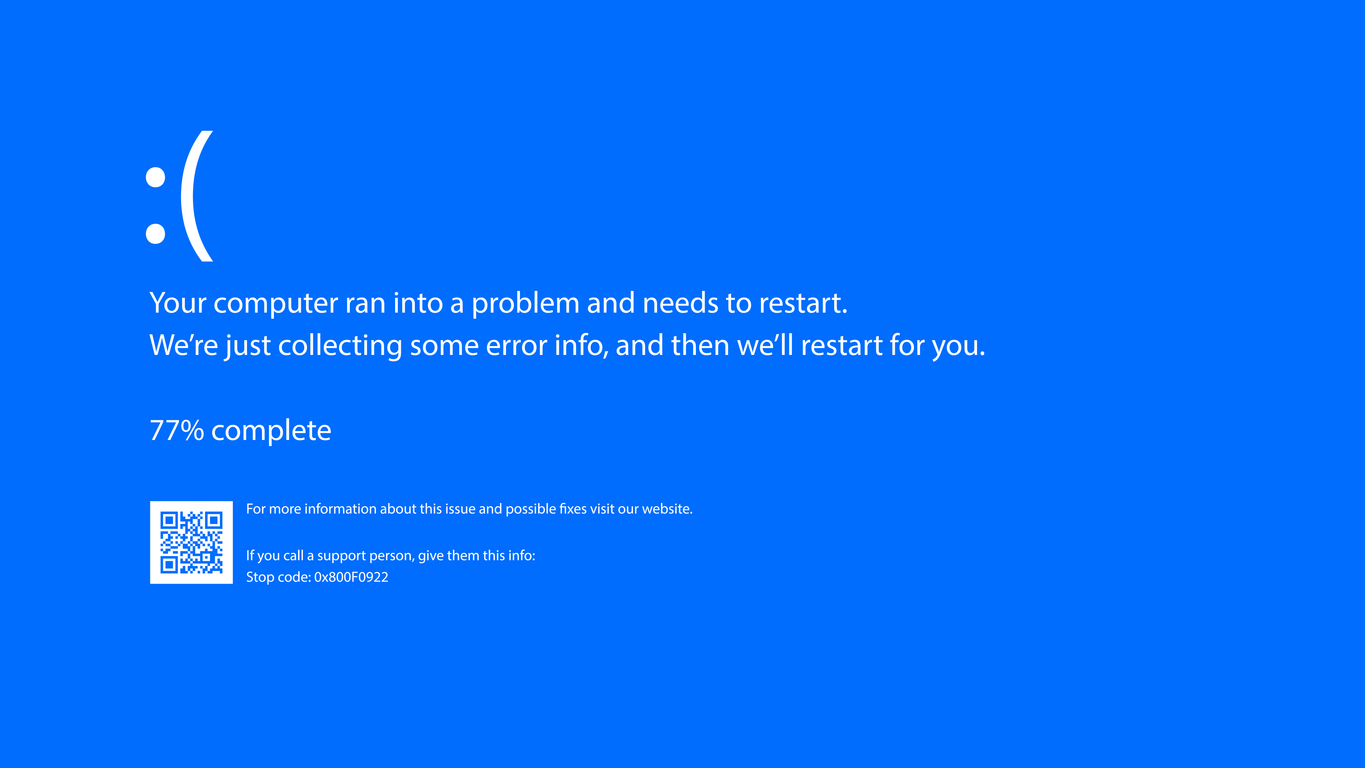
Apple. United. Marriott. JPMorgan Chase. The NSA.
At this point, it feels like it might be faster to list the major U.S. corporations that haven’t been impacted by outages in the last week.
Just days after the economy was recovering from the major outages of Microsoft Outlook and air traffic control, the failures continued to cascade, fostering deep mistrust in the public even as companies strove to reassure the public that the issues are isolated and not related to cyberattacks.
“JPMorgan Chase has experienced a temporary issue related to a software bug in an on-premise hardware system — it is not cyber-related,” Joe Evangelisti, Chase spokesman, said in a statement.
“We have resolved a technology issue that delayed flight departures. While some flights were delayed, there was no impact on flights in progress, or on United Express flights,” United said in a statement. “There is no indication that this was a cybersecurity-related issue.”
“Many of our systems are back up and running after an internal update caused some outages this morning,” Apple said in a statement. “We’re working to get the remaining systems online as soon as possible.”
The statements are similar: a flat update attributing the issue to “a software bug” and assuring the public it is not related to an outside attack.
Why it matters: Even if each individual incident is unrelated, the audience is not reading them as isolated incidents. They are looking at a broader picture where it feels like the systems we’ve come to rely on — travel, banks, hospitality — can’t be trusted.
Yet each statement is acting as if they are operating in a vacuum, and as if the only thing to fear is an attack.
Obviously, no single organization should be held responsible for whatever is happening now. However, these statements are trying so hard to downplay each incident that they are devoid of empathy or understanding.
The current best guess about the cause of this string of failures is that companies are trying to get ahead of AI-driven cyberattacks and issuing patches that are causing problems.
If your company is deploying such a fix, it might be best to inform the public ahead of time. People understand when an update doesn’t go to plan. But an unexpected and unexplained outage causes fear and mistrust. Transparency is the key.
As Peter Avery, a cybersecurity expert, told The New York Times: “When you start to live in that world where everyone’s a liar, and no one is telling the truth, you are starting to live in fear.”
Jensen Huang asks for his job back. The board issues a flat no.
A week after Nvidia CEO Jensen Huang resigned in disgrace after he was revealed to have multiple affairs, including with an alleged Chinese spy and a direct report, he asked for his job back. In a post on X, Huang said he had received an outpouring of requests from customers and employees to return.
“If the Board of Directors decides that my return is in the best interest of our shareholders, our employees, the company, and America, I would be honored to answer these calls and return as CEO,” Huang wrote.
Not happening, the board said.
“The Nvidia board unanimously accepted his resignation and does not intend to reinstate Jensen as C.E.O.,” board chair Harvey C. Jones said during an analyst call.
The response is clear and unequivocal: Huang resigned of his own free will for “personal behavior inconsistent with (Nvidia’s) code of conduct, standards and cultural norms.” No take-backs now.
Allowing hope and rumors to linger would only have prolonged this period of turmoil. Shutting it down and standing firm on their decision is the right decision to move on.
Cincinnati Zoo keeps public informed after beloved hippo eats a hat
Fiona the hippo skyrocketed to fame when she was born as a tiny, slippery premature baby. Now, she’s a fully grown hippopotamus and once again experiencing a health scare, this time because she ate a knitted hat that accidentally fell into her enclosure.
The Cincinnati Zoo, where she lives, has gone to great pains to keep the public informed about her condition and her progress, with regular updates on social media, including photos and video.
Would this be overkill for most animals? Yes, but Fiona isn’t just any animal. By proactively sharing information on her condition, even though she may easily pass the hat and go about her happy hippo life, being open and upfront about the risk is the right move here, rather than posting a surprise announcement of a sadder ending.
Waymo voluntarily pulls autonomous cars off highways nationwide
Waymo, a self-driving taxi service, has voluntarily pulled all its vehicles off highways after two accidents in California. Those crashes led the most populous state to ban the autonomous cars on freeways, and Waymo chose to take the vehicles off all highways across the country.
The incidents that led to California’s ban included the cars trying to maneuver around a police blockade and entering an active work zone.
Waymos are still operating on surface streets, both in California and elsewhere.
“In alignment with our safety-first principles, we have also temporarily restricted freeway operations across our other operating markets to evaluate our performance,” Waymo said in a statement, adding that it was actively working with the California DMV and other state officials.
This is obviously a setback for a company pioneering new technology. Yet by choosing to remove cars from highways not only in California, but everywhere, Waymo is showing and telling that it has a commitment to safety. Going further than required can help a company bounce back from crisis faster.
Allison Carter is editorial director of PR Daily and Ragan.com. Follow her on LinkedIn.