Building stories with ‘Trojan horse’ messaging
Live coverage from The PR Daily Conference.

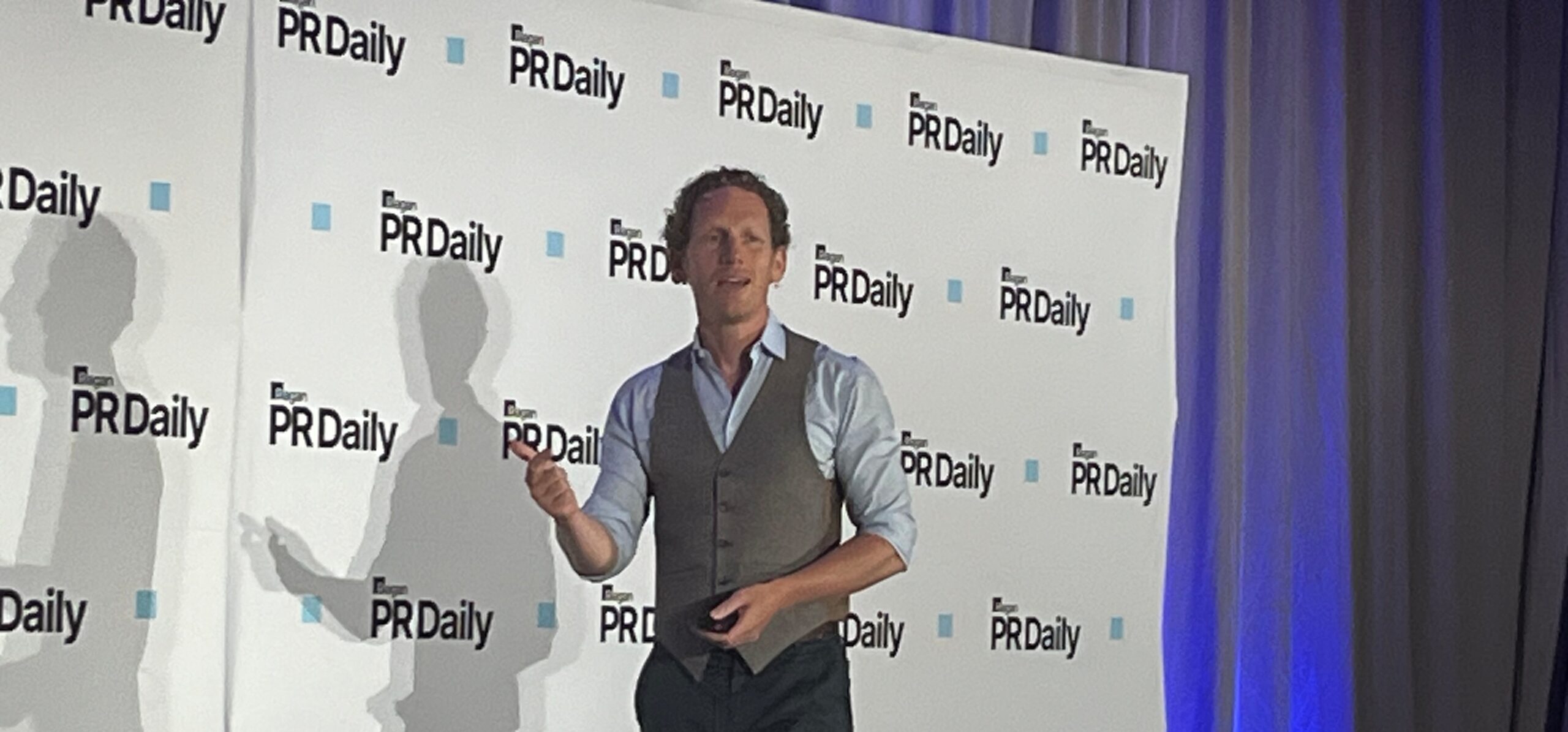
“When people put their kids to bed at night, nobody tells bedtime facts. Doesn’t happen. They tell bedtime stories.”
This simple truth, shared by author and professor Jonah Berger during The PR Daily Conference, explains the difference between a message that’s quickly forgotten and one that sticks in people’s heads and becomes something they don’t just remember – they want to share.
In PR, these stories often have an ulterior motive. Most PR practitioners aren’t sharing stories just for fun. They’re trying to communicate something about their brand that later influences changes in thought, behavior or action.
Berger calls these “Trojan horse stories.”
“Yes, there’s an exterior, an engaging story on the outside, but inside is a kernel, a brand, an attribute, a take home, an idea that comes along for the ride,” Berger said.
One example is the classic story of the boy who cried wolf. If you tell people “don’t lie,” people will tune out. Who cares? But if you tell them an engaging tale of danger that also carries the hidden message about the benefits of telling the truth, they’ll remember it better.
Another Trojan horse story is “Will It Blend?” an early YouTube video series from Blendtec. People tuned in to see if a blender could devour an iPhone, a pool cue, a baseball.
Along the way, viewers also learned that Blendtec blenders are incredibly powerful. Blender sales increased by 700% with a marketing budget of just $50 for a lab coat and a few other simple props.
“As you think about what are the right stories to tell these ideas, to show these ideas, what’s going to carry your message or idea along with it?” Berger asked.
Stories people want to tell
People don’t just love to hear stories – they love to share them. To tell them to their friends. It makes the teller seem cool, powerful, worldly. And by giving people stories they want to share, PR is giving them social capital that can boost their standing – while also carrying that Trojan horse message along for the ride.
For instance, Beyoncé released a full, self-titled album in 2013 with no advertising, no forewarning. She put it online at midnight. Her team knew that fans would rush not only to buy the album, but to share the news.
“Because she knew people love to be the first one to tell their friends information not everyone else knows about,” Berger said. In that way, they aren’t just sharing a story about Beyoncé, but also about themselves: that they’re hip, that they’re in-the-know, that they’re culturally cool. And they want other people to know that.
Brands can help them in that quest by having stories that have what Berger calls “remarkability,” or something you want to talk about. These can be bits of news or more complex stories or they can be a simple trigger.
The connection between Geico and Wednesdays
Geico is known for its catchy commercials that get people to pay attention, even if they don’t have much to do with insurance. Among those is “Hump Day,” featuring a camel who just loves Wednesdays.
When the commercial was first released more than a decade ago, its shares spiked every Wednesday – people voluntarily sharing an ad once a week.
“That content is equally good or bad every day of the week, but Wednesday rolls around providing a ready reminder, what a psychologist would call a trigger, to make people think about it and talk about it and share it,” Berger said. “Because if something’s top of mind, it’s much more likely to be tip of tongue.”
The message isn’t talking about Geico’s deductibles and coverage. But it’s giving a positive association that will stick in people’s mind the next time they want to shop for insurance.
A tiny Trojan camel, if you will.
And that, ultimately, is what brand messaging is all about.
Didn’t make it to D.C. for the conference? You can still enjoy all the great sessions with the conference on demand. Learn more.
Allison Carter is editorial director of PR Daily and Ragan.com. Follow her on LinkedIn.