Chick-fil-A draws an AI line in the sand. Have you drawn yours?
What your company refuses to automate speaks volumes.


Stephanie Nivinskus is principal, Ragan’s Center for AI Strategy.
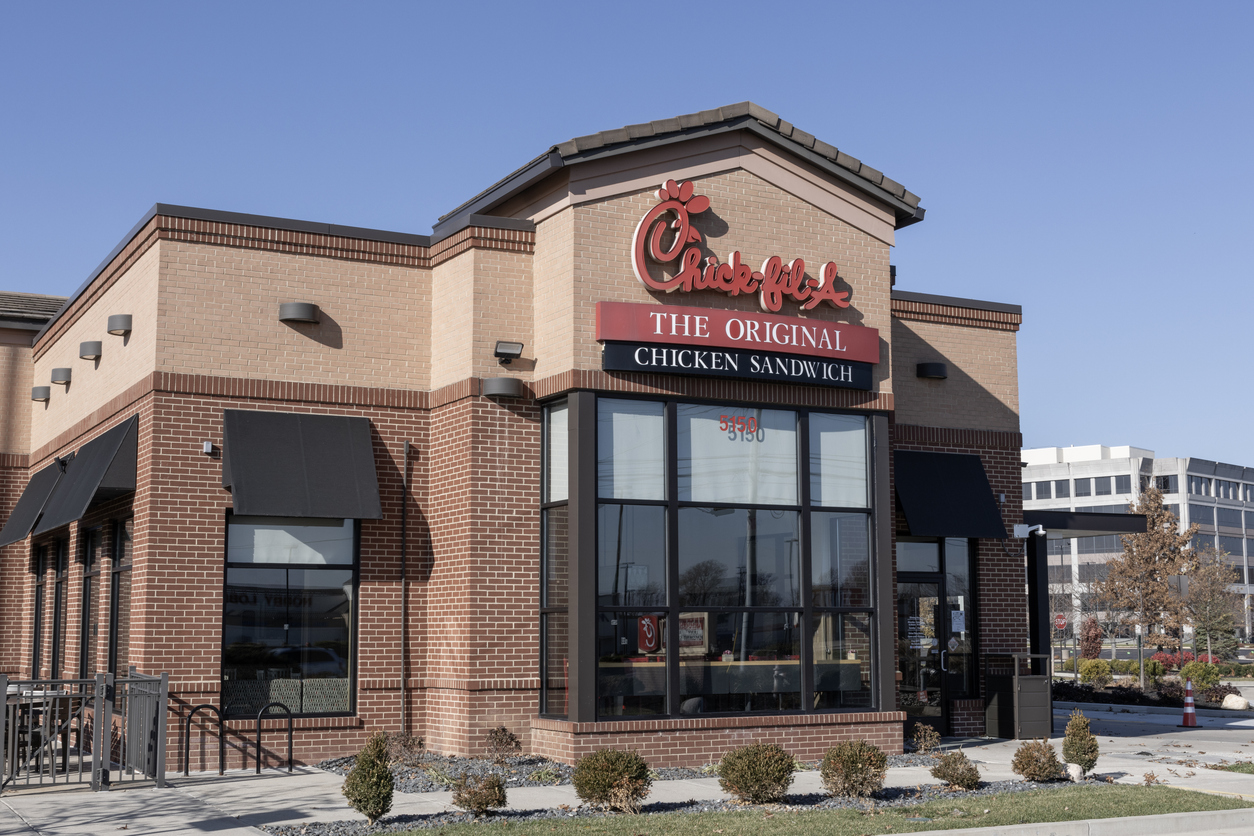
While many companies are racing to announce AI innovations, Chick-fil-A is making headlines for what it said will remain human.
In an Oct. 4 CNBC interview, CEO Andrew Cathy said Chick-fil-A will not pursue AI voice ordering in its drive-thru lanes. “From our experience, we really want that hospitality to be human to human,” he said.
Going against the grain is familiar territory for Chick-fil-A. It is the only major national fast-food chain that closes every Sunday. That six-day schedule has hardly kept it from creating a success story. In 2025, Chick-fil-A’s estimated average U.S. sales per restaurant were $7.7 million, nearly twice McDonald’s $4.1 million, according to QSR Magazine.
The company’s drive-thru decision gives comms teams a question to take to leadership before the media, or employees, ask: Which aspects of the organization will remain human-led?
Here are four discussion points:
- Find the moments that call for human judgment
Ask operational leaders which customer and employee interactions belong on that list and how each choice supports your brand promise. A short, specific list holds up longer than a sweeping pledge.
An insurer can let AI summarize a policyholder’s file and assign a specialist to walk through a denied claim and answer follow-up questions.
- Tell people what to expect.
Write an approved statement explaining where AI is used and which interactions are human-led. Give customers a clear way to reach an employee when they want one.
A wireless carrier might say: “Our AI assistant can help troubleshoot connection problems. A member of our team will help resolve disputed charges on your bill.” Broad assurances about responsible AI offer little help to someone trying to fix a problem.
3. Rehearse the answer with your CEO.
Add “Where will your company refuse to use AI?” to briefing materials for the next media interview or town hall. Ask your media relations lead to run the answer with your CEO beforehand, so the first draft does not happen with a microphone in front of them.
A manufacturer’s CEO can expect the question from employees worried about their jobs. Sample language: “AI supports our production planning. Managers will speak directly with each team member about changes to their roles.” Coach the executive to describe when those conversations will happen.
- Test the handoff before promising it.
Draft a plain answer to “Am I talking to a real person?” and then confirm that someone who asks for a human gets one.
A university can walk a student worried about graduation requirements from an AI advising tool to an academic counselor and check whether the student has to start over. The counselor should receive the conversation history and see the student’s degree progress.
Your CEO can talk about how much they value human connection all day, but if customers have to argue with a chatbot before they can reach a person, those words will quickly become meaningless.