Schneider Electric Canada’s head of communications on rethinking the executive script
Authenticity now outperforms polish in executive communications.

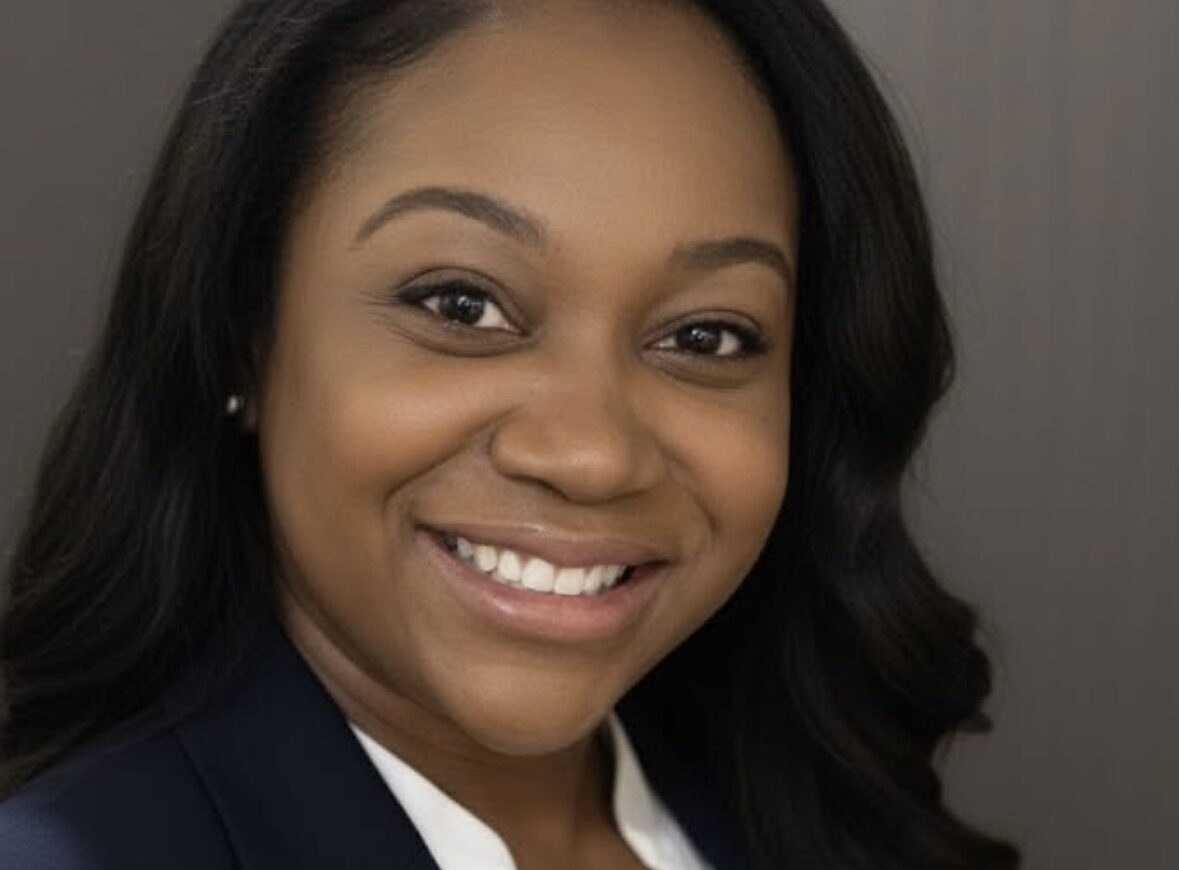
As head of communications for Schneider Electric Canada, Jodi Smith-Meisner leads strategy across brand, executive visibility and employee engagement in the Canadian market. Her background spans public relations, executive thought leadership, internal communications and change management, with a focus on aligning messaging to business objectives.
Smith-Meisner has spent more than 15 years operating in that space, guiding organizations through growth, change and complexity.
What was your first job in comms and what did it teach you?
My first job was at a communications firm. The team was small and the expectations were high. I worked long hours and pushed myself harder than I probably should have — but I wanted to prove myself. What I got out of it was grit. And that hasn’t gone anywhere. Same determination, just with better boundaries now.
What’s the communicator’s biggest mistake during periods of organizational change?
Going quiet. Organizations hit a period of uncertainty and suddenly communication grinds to a halt — and that is a huge mistake. People fill that gap with their own narratives, and I promise you, they are not writing a feel-good story. In times of change, you have to communicate even when you have nothing new to say. Even if the message is literally “hey, nothing has changed, but we see you and we’re on it” — send it. People don’t just want updates, they want to know that leadership is dialed in and has the situation top of mind.
How do you ensure executive thought leadership feels authentic to employees and not just polished for outside audiences?
Know your people. What do they care about? You can learn a lot from engagement surveys or simply paying attention to what comes up in town halls — the questions people ask tell you everything. Then, and this is the part people consistently get wrong, share news internally first. Let your employees sit with it before the rest of the world finds out. Yes, there are exceptions — a leadership change at a public company can get complicated fast, since you may need to share the news with investors and employees simultaneously — but the goal remains simple: your people should never feel like an afterthought.
You work closely on executive positioning. What makes a leader credible today compared to five or 10 years ago?
Authenticity. Corporate jargon and overly produced content are not landing the way they used to. Nowadays, an iPhone video of your CEO speaking candidly to employees will outperform a big-budget production. People connect with realness. They always have — I think we’re just finally giving them more of it.
Who or what has most influenced your leadership style?
Both the great leaders I’ve had and the not-so-great ones. The great ones inspired me and the not-so-great ones? They taught me just as much, because now I know exactly who I never want to be. Sometimes the clearest leadership lessons come from the examples you’re determined not to follow.
What’s one tool you use every day?
Copilot. I’m all in on using AI to work smarter and be more productive. The reality is, if we don’t find ways to incorporate it into how we work, we will get left behind — and that’s not a risk I’m willing to take.
Isis Simpson-Mersha is a conference producer/ reporter for Ragan. Follow her on LinkedIn.