The Scoop: 3 national news outlets sue after being denied access to the White House
Plus: Converse apologizes for ad that reminded some of KKK; how DraftKings navigated response to NYT investigation.

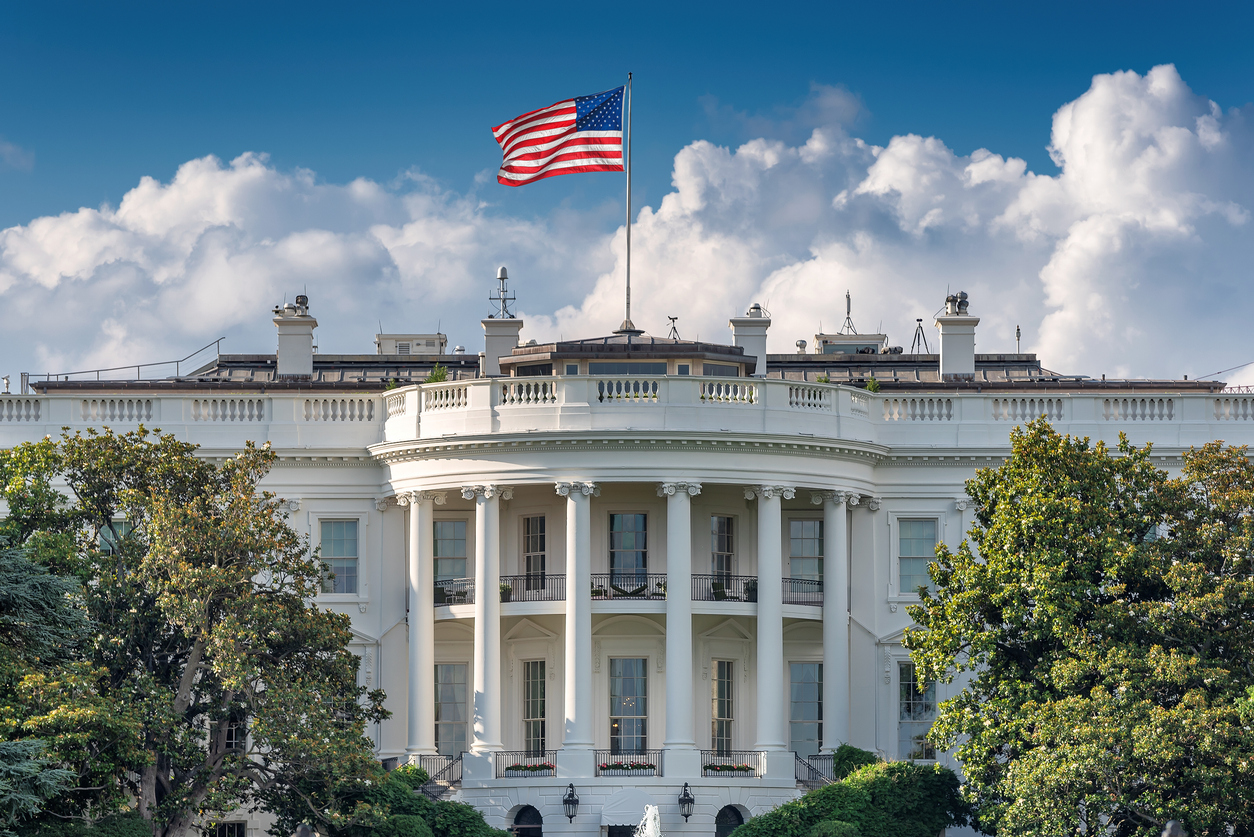
CNN, Politico and MS NOW are joining forces in a lawsuit after the Trump administration abruptly revoked their press credentials for the White House.
President Donald Trump did not cite specific reasons, only vaguely pointing to “fake news” and “negative news.”
“It’s really just cumulative stories over the last few years. You get sick of it,” Trump said during a photo-op Friday. “They’re smart people, but they purposely write negative news.”
In a statement announcing the lawsuit, the three news outlets homed in on this vagueness.
“Without notice or process, the White House revoked our journalists’ credentials because it objected to our reporting. Left unchallenged, this threatens press freedom and the public’s right to independent journalism free from government interference.”
Why it matters: A free and independent press is the bedrock of public relations. Without trust that the media can operate independently, it loses its value as a messenger. Yes, it can be frustrating when the media publishes stories seen as unnecessarily negative, but without those stories, the positive stories don’t seem as real either.
Trump is also making it more difficult for his legal team by speaking about the reasons in off-the-cuff settings. By publicly confirming access was cut off purely because he disliked the tone of their stories, he’s given the news outlets ammunition to use directly in court.
He also may be encouraging people to seek out those stories in a Streisand Effect that draws more attention to the negative reporting than silence would have.
Dealing with negative stories can be difficult. But cutting off access is rarely the answer — especially when you’re a government entity,
Why did Converse retract its Karina ad?
Converse has apologized after it released an Instagram ad in partnership with K-pop star Karina that some said evoked imagery similar to the Ku Klux Klan. The objectionable portion involved a pair of feet (wearing Converse) floating off the floor next to a woman in a white dress or robe. Some believed the imagery was similar to that of lynchings of Black Americans.
“We’re sorry,” Converse said in a statement released Friday. “We understand why this image is deeply upsetting and recognize that we got this wrong. We removed it from our channels and are working to remove it everywhere it appeared. This should not have happened and we will do better.”
It’s a full and unambiguous apology, accompanied by the removal of the ad. There’s no “sorry if you’re offended.” It’s sorry, full stop. It’s short, doesn’t agonize, but takes full responsibility. It’s a good template for when a piece of content, even unintentionally, hits an offensive note.
How did DraftKings respond to NYT investigation into targeting problem gamblers?
The New York Time has released a lengthy new investigation claiming betting site DraftKings used AI to target promotions at users most likely to lose money on the app — which often means users in the throes of addiction.
To DraftKings’ credit, they made Lori Kalani, DraftKings’s chief responsible gaming officer, available to the Times, and she is quoted throughout the piece explaining various aspects. For instance, she explained that the company does monitor for problematic behavior and does not send promotions to those users or those who have removed themselves from the platform.
However, other explanations fall a little flat, such as comparing their promotions to those of other companies, such as Amazon. “Shopping can be problematic for people.” While this is true, most retail companies don’t have a C-suite position to encourage responsible spending because they aren’t as inherently addictive as gambling.
By simultaneously stressing how responsible they are and comparing themselves to every other company, DraftKings tries to have it both ways. And it doesn’t quite work.
Why was Tilly Norwood speaking Chinese?
Tilly Norwood, one of the most famous AI “actors” and influencers, glitched out on live television during an interview with Piers Morgan. She misunderstood a clearly stated question and then began speaking in Chinese.
EXCLUSIVE: AI actress Tilly Norwood glitches and starts speaking CHINESE during her interview with Piers Morgan and real-life actor Tom Conti…
Watch the full interview at 7pm (BST)👇
📺 https://t.co/1nTb79BH8D@piersmorgan | @TillyNorwoodX pic.twitter.com/DDkveWvVzz
— Piers Morgan Uncensored (@PiersUncensored) September 18, 2026
“Oh, my apologies. It seems I had a little hiccup there,” the AI avatar said. “I certainly didn’t mean to start speaking Chinese or impersonate Piers. Sometimes my wires get a bit crossed, you know?”
Much has been said about the possibility of AI avatars acting as spokespeople. However, as we can see from this incident, the technology doesn’t appear to be there yet. Human spokespeople make plenty of mistakes, sure. But few will start randomly start speaking another language during an interview or need to say, literally, that they got their wires crossed.
For now, people still reign supreme.
Allison Carter is editorial director of PR Daily and Ragan.com. Follow her on LinkedIn.