The Scoop: After Spirit folds, other airlines step in to win loyalty
Plus: Cruise line issues thorough statement after apparent hantavirus outbreak; GameStop tries to acquire eBay in surprise offer.

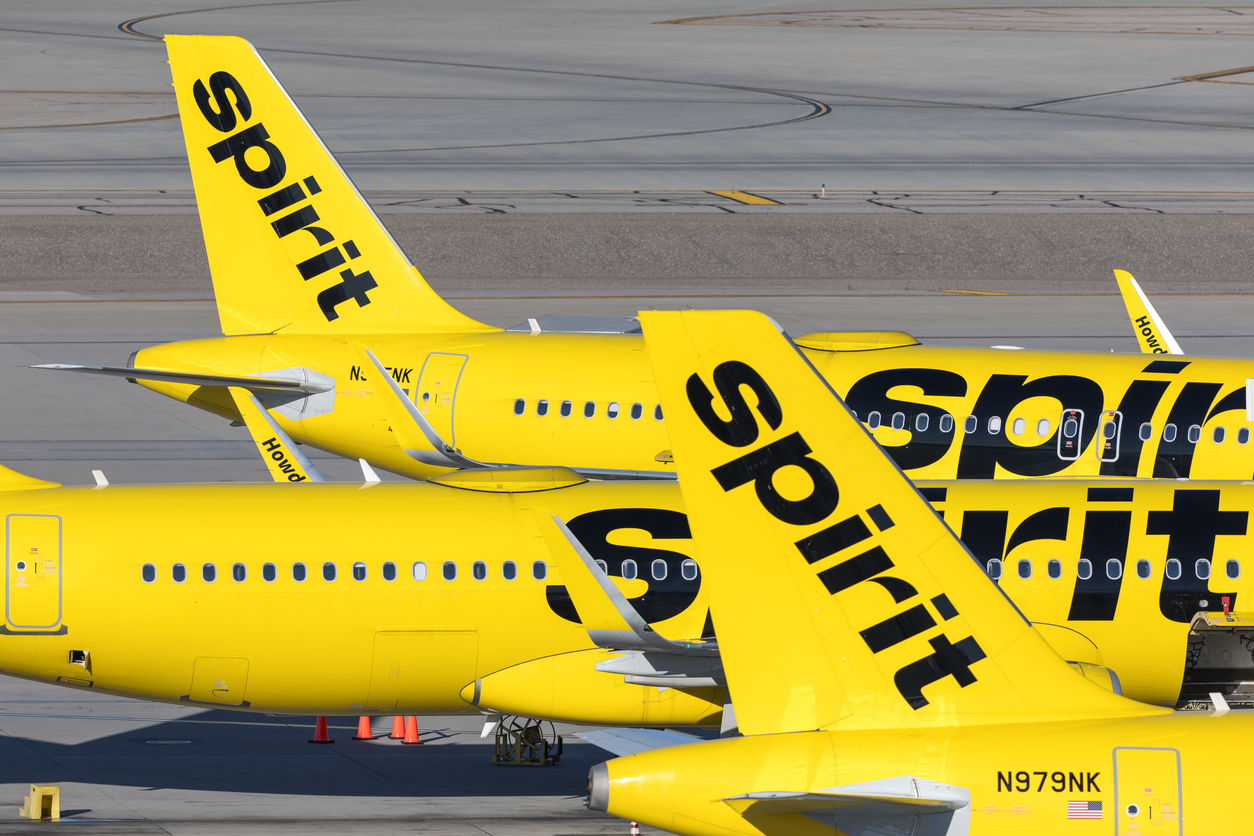
Budget airline Spirit abruptly ceased operations and grounded its planes on Saturday after attempts to reach a government bailout failed. This left thousands of travelers without a way to get to their destination — or even to get home, for those mid-trip.
Most other American airlines stepped into the gap to help people get home, and undoubtedly to try to earn a bit of brand loyalty from former Spirit passengers.
The most popular form of assistance was in the form of price-capped replacement tickets for those holding Spirit confirmation numbers. While Spirit said that passengers would receive refunds, it was unclear how long that would take.
One typical statement came from American Airlines:
To help customers whose travel may be disrupted, we immediately put rescue fares into place on Spirit routes where American also offers nonstop service. American serves 70 of the 72 airports Spirit presently serves, and 67 of the specific routes Spirit currently operates. We are also reviewing opportunities to add additional capacity — including utilizing larger aircraft and adding flights on critical routes — to support as many affected passengers as possible.
United specified that its rescue fares would mostly be $199, and no higher than $299. Frontier, Spirit’s main low-cost competitor, touted “up to 50% off base fares,” though a look at the fine print showed this only applied to flights on Tuesday, Wednesday and Saturday and must be purchased at least 21 days in advance, which doesn’t help anyone currently in the lurch.
Many of the airlines’ statements also offered help to the estimated 17,000 displaced Spirit employees. Delta offered Spirit flight attendants and pilots standby assistance to get home, while also creating a special job application portal to flag ex-Spirit employees’ applications for priority consideration.
Why it matters: An airline going out of business overnight is a crazy circumstance — but it was also a foreseeable one. Spirit had been in negotiation with the government for weeks in hopes of securing a bailout deal. There was always the chance that it would fail. These airlines, in partnership with the federal government, were ready to step in and help travelers, which undoubtedly will earn them goodwill and a chance for customers to try out an airline they perhaps had not considered before.
However, will ploys like Frontier’s backfire? When examined closely, their offers were far more scant than the other airlines’, with plenty of fine print and caveats. They were also the most overtly promotional in their language, also touting their basic “Go Wild” all-you-can-fly pass. This might turn customers off … or it may not matter as the most price-sensitive customers fly what they can afford.
Preparation paid off here for many. While the situation is still chaotic and unsettling for many, airlines took the opportunity to help people get home for reasonable rates, recruit new employees and hopefully earn some goodwill.
Editor’s Top Reads:
- Three people have died, and three more are seriously injured after a case of the hantavirus appears to have broken out on a Dutch-flagged cruise ship. The m/v Hondius is operated by Oceanwide Expeditions and is currently off the coast of Cape Verde, off the coast of West Africa. The company issued a detailed statement on its website that laid out the situation with most of the information any concerned family members or the media might want. Among the details it offers: a timeline of events; a full listing of the national origins of the 149 passengers and crew; information on which cases of hantavirus are confirmed and which are suspected; and the agencies the company is cooperating with to deal with this tragedy. In a terrible circumstance, clear communication can calm frayed nerves and show that organizations have nothing to hide. Bookmark this example of crisis comms done right.
- In a quirky turn of events, video game store GameStop has offered to buy the much larger eBay in a $56 billion half-cash, half-stock offer. Auction website eBay said it had received no communication from GameStop prior to its offer letter. In an interview with the Wall Street Journal, GameStop CEO Ryan Cohen put on an extremely confident face, declaring that eBay could be an Amazon competitor. “There is nobody who is more qualified, based on my experience, to run the eBay business,” Cohen said of himself. While GameStop does deal in second-hand games and systems as well as video game memorabilia, this move is still going to strike many as strange, especially since eBay is much larger than GameStop. Cohen is going to need to do more than toot his own horn to win over eBay’s board and shareholders — he’ll need a solid game plan. GameStop begins to hint at this in its letter to eBay, indicating that its “~1,600 US locations give eBay a national network for authentication, intake, fulfillment, and live commerce.” Still, such an audacious plan will need a stronger comms game to see home.
- Zoom’s CMO says the video conferencing company has a “SWAT team” set up to ensure the company shows up well in LLM responses. But perhaps not quite the way you think. Kimberly Storin told the wall Street Journal that Zoom already has 99% brand awareness. That’s not its issue. No, she and her team are focused on ensuring that the company is in the mix for its smaller use cases and products. “But how are we showing up for our contact center business?” she said. “How are we showing up in webinars against our competition? Are we capturing the rest of this growth in the market that we have to in order to continue to grow outside of just a commoditized video space?” For the “SWAT team,” this involves a core weekly meeting, an ongoing agile marketing approach, thought leadership and a greater emphasis on press releases after years of dialing them back. But even with all this preparation, Storin had a blunt answer when asked how they stay on top of GEO trends: “Nobody can be on top of it. I think it’s one of those things that is just evolving every single day.”
Allison Carter is editorial director of PR Daily and Ragan.com. Follow her on LinkedIn.