The Scoop: King Charles sets clear boundary in response to former Prince Andrew arrest
Plus: Ring backlash continues after leaked internal email; ‘Staples Baddie’ draws eyes.

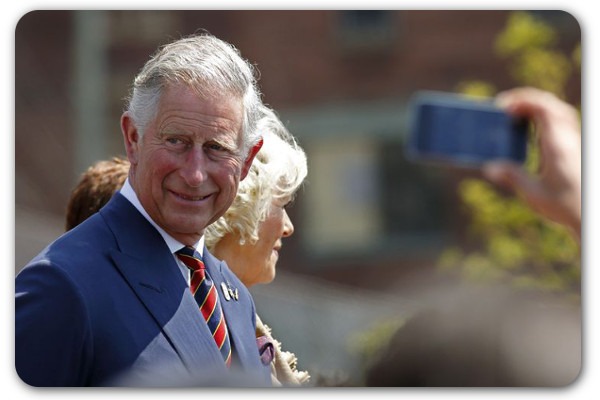
King Charles III has issued a public statement following the arrest of his younger brother, Andrew Mountbatten‑Windsor, formerly Prince Andrew, on suspicion of misconduct in public office.
Mountbatten-Windsor was arrested as part of a police investigation into allegations tied to information he may have shared with Jeffrey Epstein, making him the first senior royal in modern British history to be formally detained by police, The Independent reports.
In his statement, King Charles said he had learned with “the deepest concern” about the arrest and pledged the full support of the Royal Family with law enforcement.
He said:
“What now follows is the full, fair and proper process by which this issue is investigated in the appropriate manner and by the appropriate authorities. In this, as I have said before, they have our full and wholehearted support and co-operation. Let me state clearly: the law must take its course. As this process continues, it would not be right for me to comment further on this matter. Meanwhile, my family and I will continue in our duty and service to you all.”
He then signed the statement, “Charles R.”
Buckingham Palace and the King were reportedly not informed in advance of the arrest, underscoring the independence of the police investigation, the outlet said.
Why it matters: Historically, Buckingham Palace has said little to nothing when it comes to controversial or legal matters. This makes the King’s statement more significant, including that he attached his own name to it.
First, there’s a clear boundary here. The Palace won’t get involved or stand in the way.
Rather than attempting to excuse, defend or downplay the arrest, he reinforced that this is not a palace matter, it’s a legal one. This could help protect the monarchy from appearing to interfere.
When a highly visible and large institution is under a magnifying glass, people will scrutinize every word of a statement. In this case, the King focused on process.
The statement was brief, clear and direct. It left no room for speculation about where the Royal Family stands. Messaging about support for the law helps protect the monarchy’s constitutional role as well as its credibility and public perception.
By saying it would be “inappropriate” to comment further, the Palace also avoids looking dismissive or evasive, setting clear expectations for future statements (or lack thereof).
Lastly, it reassures the public that the Palace will continue its job, offering reassurance that it’s stable.
In reputational crises like this, leaders can show resolve and strength by clearly defining boundaries, reinforcing process and being direct.
Editor’s Top Reads:
- BREAKING: The Supreme Court ruled today that President Donald Trump’s sweeping tariffs on imported goods “exceeded his authority,” per the New York Times. This major decision could ease some tension businesses have been facing over the past year, as prices climbed and companies were left trying to explain the changes. The outlet said more than $250 billion customs and duties fees were collected in 2025. We’re keeping an eye on this. See updates here.
- The Ring backlash continues this week. If you missed the original drama, have a quick look here. Now, leaked internal emails from the company showed that its new AI feature was described internally by Ring’s founder Jamie Siminoff as having much broader ambitions In the email, Siminoff wrote: “I believe that the foundation we created with Search Party, first for finding dogs, will end up becoming one of the most important pieces of tech and innovation to truly unlock the impact of our mission. You can now see a future where we are able to zero out crime in neighborhoods. So many things to do to get there but for the first time ever we have the chance to fully complete what we started.” People were quick to take issue with “zero out crime” and “complete what we started,” Salon reports. Ring pushed back, saying the tool doesn’t process human biometrics and that sharing footage is always under the camera owner’s control, but the leaked language does little to reassure many. The mismatch between public explanations and private messaging has fueled distrust, intensified privacy backlash and raised questions about transparency and social responsibility. The situation highlights why consistent messaging and anticipating how new technologies might be perceived are crucial to avoiding credibility damage and reputational risk.
- A Gen Z Staples employee named Kaeden, and known online as the “Staples Baddie”, started making TikTok videos from work, showing quirky, useful or lesser‑known services and products in the store. The clips show real moments and provide fun commentary as she talks in her own voice while wearing her Staples uniform. Fast Company reports that some of the content has gone viral and has driven people to visit stores because they were entertained or genuinely curious. The employee is not currently paid for her content, but that could change. Staples CMO Bob Sherwin told the outlet that it’s taken notice of the videos and is “incredibly proud” of their employee for showing enthusiasm and creativity in the videos. And now they’re looking for ways to work with her as an influencer. “We’ve connected with her to share our appreciation, and we are exploring opportunities to collaborate and continue supporting her creativity and engagement with the community,” he said. Employees can be powerful brand ambassadors because they know the day‑to‑day and can humanize a business in ways external influencers often can’t. This flips the usual influencer strategy. Instead of hiring a bigger name for paid posts, brands can encourage organic employee voices that feel honest and relatable. People want that realness and it clearly makes an impact.
- The traditional big‑city agency world is facing serious upheaval. WSJ reports that large PR and ad companies are cutting jobs, merging and struggling with changing tech, while smaller regional agencies in the Midwest and South are growing by offering more personal service, lower costs and cultural insight into “real Americans.” This has caused some brands to rethink why local knowledge can be more valuable in the long term. To win more clients, some agencies are now leaning into these unique identity and values. Sommar Grogan, co-founder of Wyoming’s Bark agency, said, “Most of our clients have Wyoming roots. It would just be quite the learning curve for really big city people to try and write content that’s relatable to them.” This shift is resonating with both clients and audiences hungry for authenticity and different perspectives. Understanding this shift could help PR teams tailor their approach to their own clients and partners in ways that feel more relevant and real, rather than with flash or prestige.
Courtney Blackann is a communications reporter. Connect with her on LinkedIn or email her at [email protected].