4 lessons from Oatly on building content that powers campaigns
How to build one campaign that keeps working long after launch.

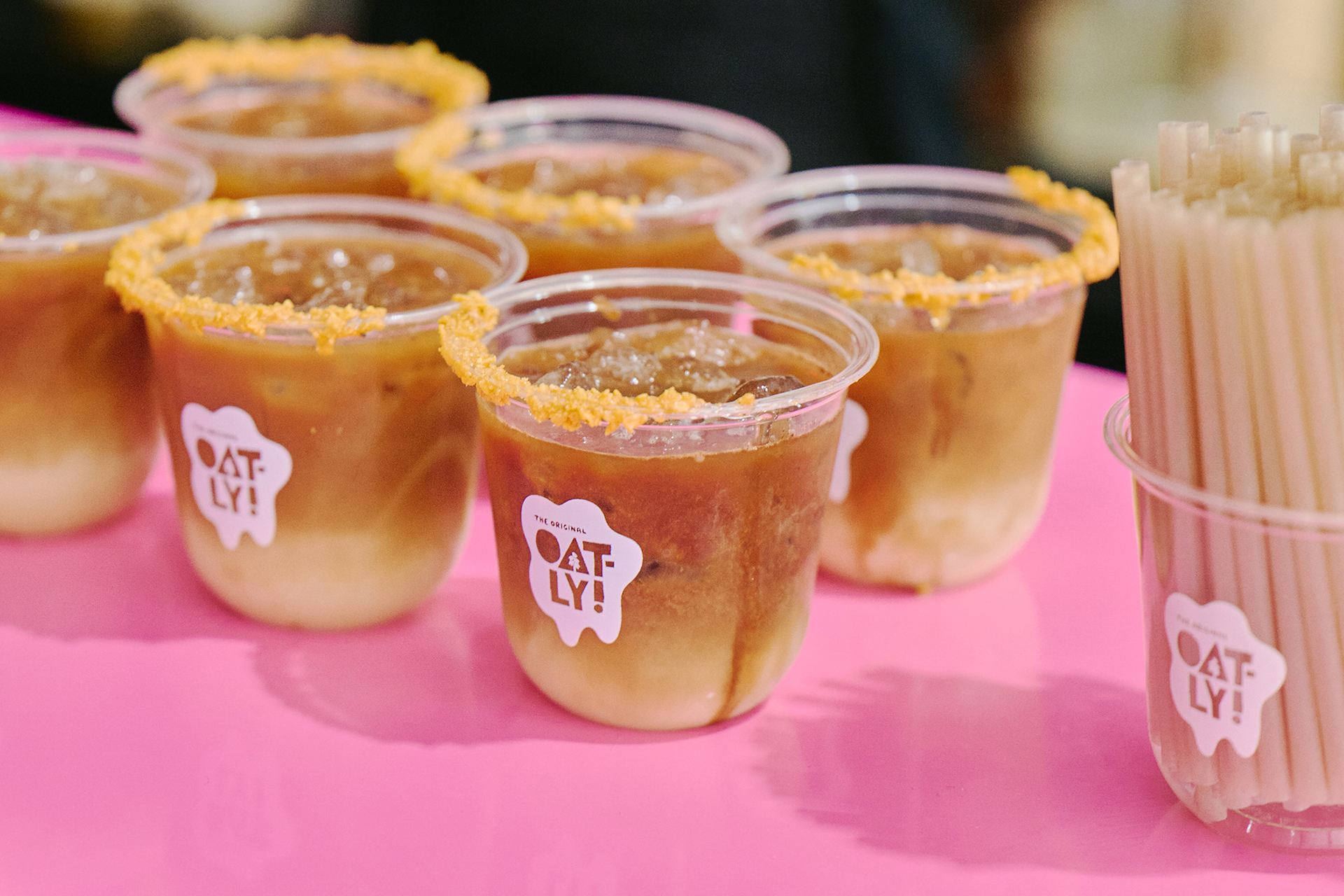
Oatly’s latest look book is filled with colorful photography, trend stories and recipes for drinks inspired by flavors from around the world. Inside, readers can find beverage forecasts and high-end designs.
It’s a unique product in the beverage market, but one that was absolutely intentional, said Jeremy Elias, an executive creative director at Oatly. He explained that the look book was part of a broader effort to give customers more ways to engage with the brand.
“The role of drinks is transcending just utility,” he said. “It’s drinks and beverages as a means of self-expression.”

For Oatly, this makes the look book a catalyst for its brand storytelling. Each new edition becomes social content, influencer collaborations, live events, menu inspiration and conversations with restaurant partners, all without having to reinvent the wheel each time, Elias said.
Their approach shows a practical way for communicators to build more credible, longer lasting campaigns.
- Build a repeatable format
Look boos exist because of a broader shift the company believes is happening in beverage culture, Elias said.
“We’re seeing coffee and tea and matcha merging with sport, nightlife and fashion,” he said. “People see beverages as a part of their identity.”
The books are released like fashion magazines, in volumes, for each new season.
Borrowing the format from fashion felt like a natural way to present seasonal recipes while giving the company room to tell an ongoing story about the industry.
“A strong creative idea really should be flexible enough to support multiple stories, audiences and channels over time,” he said. “That’s really how we were thinking about this.”
Communicators don’t have to start from scratch every time they have something new to say, he said. Whether it’s a report, podcast, video series or annual event, creating a recognizable format gives audiences something to anticipate and gives teams a foundation they can build on year after year.
- Constantly bring in feedback
About a decade ago, Oatly started building relationships with former baristas, cafe owners and beverage experts across North America, Europe and Asia. Those conversations continue to shape recipes, trend forecasts and product ideas today.
“The work that you’re seeing come through in things like the look book and some of our other executions is over a decade in the making,” Elias said.
The company created an ongoing feedback loop with the people closest to beverage culture. In turn, this helps build credibility and authority, he said.
Gathering so much input “has allowed us to be, I think, at the forefront of what is happening in the beverage space now,” Elias said. “I think a lot of times brands will feel like it is their role to shout at you what they believe and what they’re doing. We saw it as an excuse to bring other people who know the space quite well, hear from them, share ideas and actually get a two-way dialogue going.”
- Use content to create real connections
Once the look book is published, Oatly uses it as a conversation-starter rather than the end of the campaign.
Recipes become social content and creator partners reinterpret them for their own audiences. It then moves into the real world through Oatly’s in-person events like Aftertaste and Bar Ista, where attendees can experience the drinks, meet others in the beverage community and contribute their own ideas.

“It’s another example of us just looking and feeling as if really great work comes from a two-way dialogue,” Elias said. “And also bringing in really interesting people from outside the walls of the brand.”
Every major piece of content should create an opportunity for audiences to participate, whether that’s through events, partnerships or conversations with industry experts. Engagement is stronger when people can help shape the experience instead of passively scrolling past it, Elias said.
- Connect the content to the bottom line
Alongside the publication, Oatly produces an annual global Future of Taste Report, based on its research for the look book. This resource gives sales teams something more valuable to refer to when meeting with potential partners, Elias said.
“We are not just saying, ‘Hey, we’re providing you oat milk. Here you go, taste it,'” he said. “We’re really acting as these long-term partners that can help with menu ideation.”
Communicators bring more value when a piece of content or research can support multiple parts of the business, from marketing to sales to any other area, he said.
As Elias said: “A strong brand that has a clear message, that’s communicating with people in a way that’s both memorable and feels distinctly different from how every other brand is speaking out in the world, pays dividends for every other effort that we are making.”