The Scoop: Hidden Valley Ranch’s job posting sparks major fan excitement
Plus: Coors Banquet launches beer-infused jeans with Wrangler; brands adjust prices to adapt to consumer financial woes.

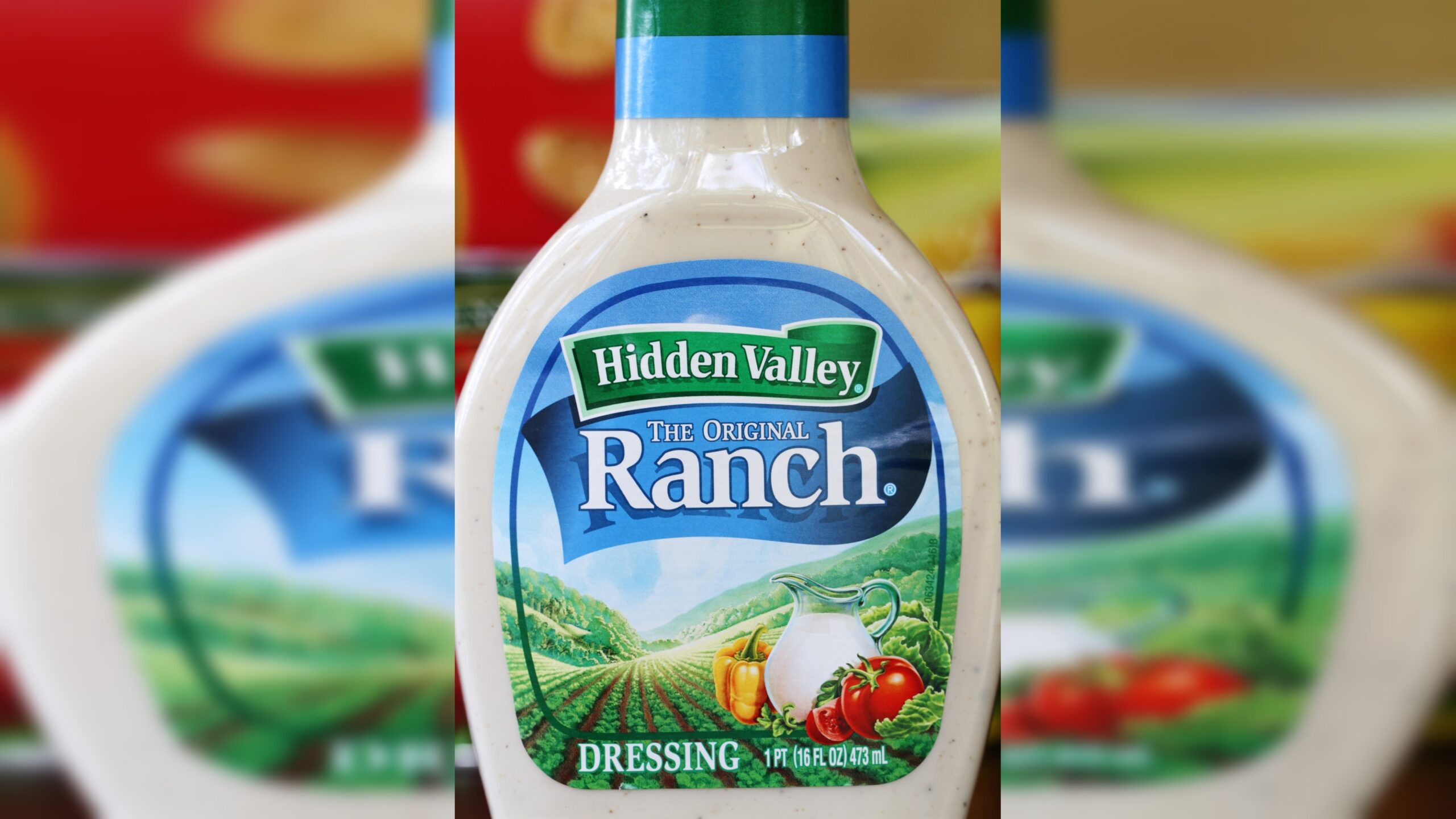
Hidden Valley Ranch recently launched a search for four “ranchbassadors” who would spend the summer traveling across Europe, pairing ranch dressing with local foods, documenting reactions and creating social content.
The company said it expected interest. But then it received more than 6,000 applications, or about 70 times more than a typical job posting, the Wall Street Journal reports.
Applicants created videos, petitions and even mailed scrapbooks and pitch decks to stand out and show their love for the dressing. Fans posted TikToks and Reels, tagging the company in their increasingly unhinged auditions, which included drinking a large bottle of buttermilk ranch in just 6 minutes.
The idea started as a way to celebrate America’s upcoming 250th birthday, the outlet said. But Hidden Valley’s marketing team also saw an opportunity to lean into ranch’s status as a distinctly American product.
“Americans seem to hold it very close to their heart as this uniquely American flavor,” said Stacy Stokes, Hidden Valley’s vice president of marketing.
In announcing the search, Stokes described it as “a cultural exchange powered by an incredibly versatile flavor” and said the company wanted to share “The Flavor of America” with the rest of the world.
Why it matters: This is a strong example of turning fans into the story.
Hidden Valley Ranch created an opportunity people wanted to join. The application process became part of the marketing, generating thousands of submissions, social posts and earned media mentions before the job was even filled.
Applicants effectively became advocates with the kind of enthusiasm that’s tough to produce through more traditional methods. In other words, this works because it feels genuine and fun and it resonates with other fans.
The campaign also shows the value of leaning into a brand’s unique identity. It built its idea around something consumers routinely associate it with: America’s obsession with ranch dressing.
Some of the best brand campaigns create participation and a chance for their audience to have a say. Hidden Valley’s approach offers an important lesson about fan moments: when people want to be part of the story, they’ll often become the spokespeople and do the marketing for you.
Editor’s Top Reads:
- Unlike many brands trying to connect with Gen Z audiences, Coors Banquet said it plans to double down on its Western identity. The company recently partnered with Wrangler and country artist Chase Rice to launch limited-edition “Beer Chords,” jeans featuring guitar chords from Rice’s song “Connie Lou.” The lyrics are printed in ink infused with Coors Banquet beer. Marketing Dive reports that the launch also includes a fan contest for a chance to perform with Rice. Coors Banquet emphasized that it doesn’t want to reinvent itself for Gen Z, but instead lean further into the Western, fashion and music themes already associated with its history. Coors executive Marcelo Pascoa said the partnership with Wrangler works because both brands share “the Western spirit” they’ve “lived and breathed for generations.” He also said the goal is to help fans connect with the brand “beyond the bottle.” Pascoa added that “this collaboration helps us continue to resonate with (Gen Z) drinkers and many more.” Heritage can be a major asset when it’s presented in new ways. The beer-infused jeans are fun and unusual. They feel relevant enough to drive conversation, but more importantly, they still feel connected to the brand’s overall identity. Companies don’t always need a reinvention strategy to reach younger audiences. Sometimes it’s better to find what already makes the brand distinctive and add fresh ways to bring that story into the current culture.
- The Wall Street Journal reports that major consumer brands are changing course as shoppers push back on higher costs. Companies including Kraft Heinz, Clorox, Coca-Cola, Walmart and McDonald’s are introducing lower-priced products, smaller package sizes and new offerings to appeal to consumers who are feeling frustrated by inflation. Kraft Heinz CEO Steve Cahillane said consumers have reached their limit. “The consumer can only absorb so much,” he said. The company lowered prices on Oscar Mayer deli meats and Maxwell House coffee, and reset promotions on Kraft Mac & Cheese and Lunchables. He added that brands now have to “earn the right each and every day to be in that shopping basket.” Walmart CEO John David Rainey said consumers are “navigating financial distress.” Consumers are watching purchases more closely and asking whether products are worth the premium at a time when things are tight. Brands that can clearly connect price to quality, convenience or experience may have a better chance at maintaining loyalty. It’s also noteworthy that executives are increasingly acknowledging these frustrations publicly. Rather than defending higher prices, they’re talking about affordability and helping customers stretch budgets. That’s a messaging change that shows where consumers are today and where brands may need to meet them.
- The Trump administration is considering a plan that could halt customs and immigration processing for international flights arriving in so-called sanctuary cities, including major hubs across the U.S. Homeland Security Secretary Markwayne Mullin said the administration is “currently drawing up plans” and argued that if local governments won’t cooperate with federal immigration enforcement, “then we shouldn’t be processing international flights into their cities either.” CNBC reports that now, trade associations are responding to the idea. “Reducing (Customs and Border Protection) staffing at major airports would have a devastating effect on the airline and tourism industries, causing a significant operational disruption to carriers, travelers and the flow of international cargo,” said Airlines for America, which represents United Airlines, Delta Air Lines and American Airlines. The U.S. Travel Association, with members Hilton and Mariott, said the move would have “devastating consequences for the travel industry and communities that depend on international visitation.” The statements themselves stay focused on the consequences to consumers and industries rather than making the message about politics while using precise, clear language. Many companies understandably don’t want to get caught up in political crosshairs and keeping the message centered on operational disruptions is a good way to get the point across without becoming a target.
Courtney Blackann is a communications reporter. Connect with her on LinkedIn or email her at [email protected].