Understanding the 3 categories of online chatter
Insights from the opening session at Ragan’s PR Daily Conference.

Unlike in the past, when traditional media gatekeepers controlled the daily news cycle, today’s news emerges from comment sections and social posts. Rather than top-down during a set schedule, it’s bottom-up and always on.
In the modern media environment, a single online rumor can snowball into a crisis that’s influential enough to damage years of brand credibility.
At the same time, no PR team has the energy or resources to respond to every negative thing someone online says about their company. Nor should they.
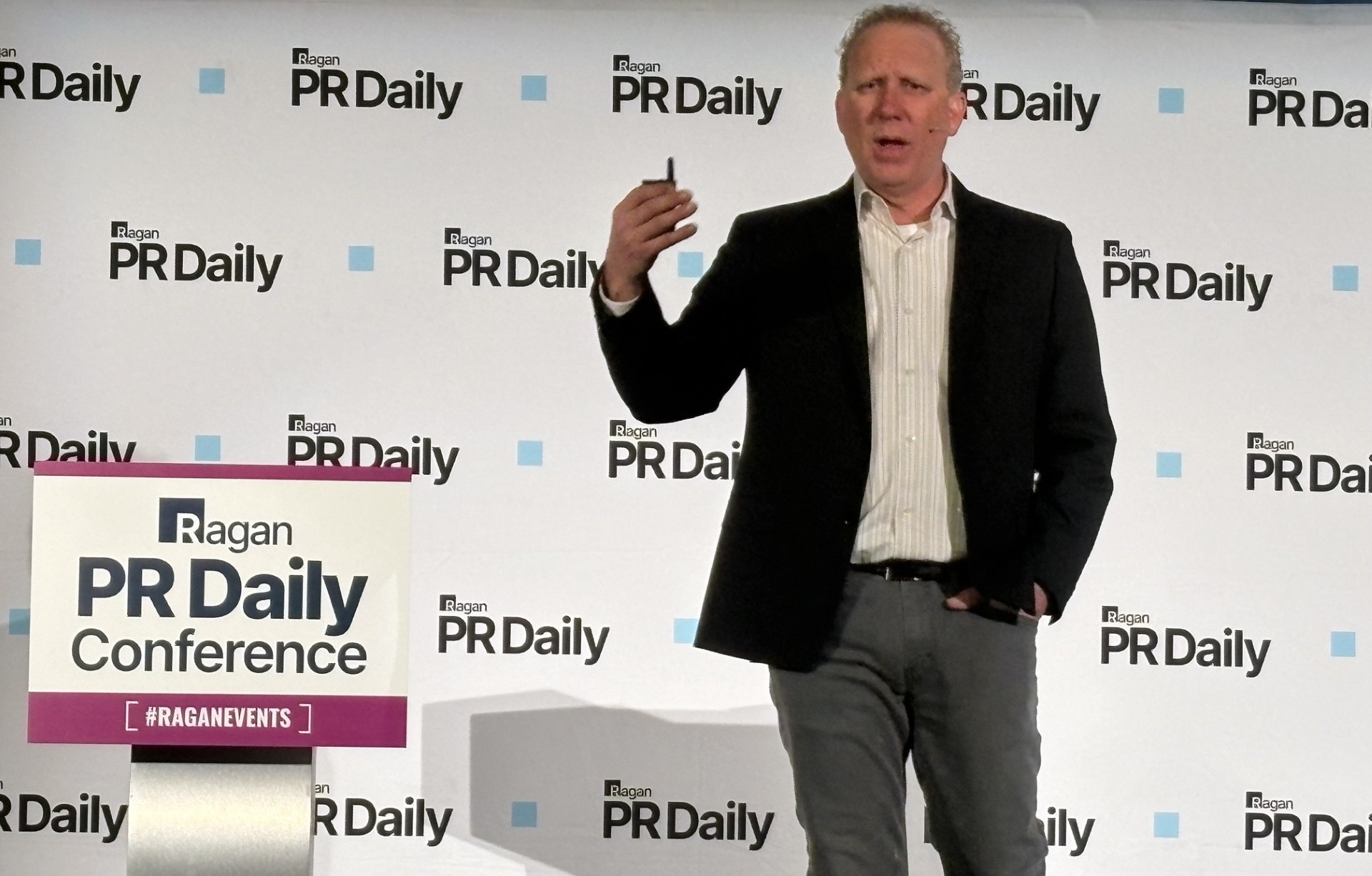
“Not everything is a crisis,” said Tim Gilman, who leads external communications at the Oshkosh Corporation.
To help PR pros determine what requires a response, Gilman offered the following three categories of online chatter at Ragan’s PR Daily Conference in Brooklyn, New York, on June 3.
- Noise: No action needed
Noise is isolated complaints and negative comments, typically appearing on social media. Someone criticizes a restaurant for serving a cold cheeseburger, for instance. There is no story in the mainstream press.
This content, while unflattering, has little to no impact on the company because it only shows up every now and then. In a way, it’s a typical consequence of running a business — of any size. No one gets everything right all the time.
In this situation, PR pros should monitor the activity, but hold off on getting involved. Giving attention to the matter may only make it worse.
- Issue: When to start acting
An issue is when a pattern starts to emerge. Many people are complaining about undercooked food at the restaurant, for example. There’s some momentum building on social media, and niche media sites are starting to publish articles about it.
Inside the company, employees are starting to ask questions and share the content on internal channels, raising it as a possible concern.
In this situation, PR pros should engage and assess whether getting involved will help stop a problem before it escalates to another level.
- Crisis: When to activate your plans
A crisis is when mainstream media begins to cover the matter. It’s trending on social channels. Employees are asking for answers. Share prices are falling. A brand’s reputation is at risk.
To go back to the restaurant example, this could mean dozens of past customers are falling ill and now city officials are investigating.
In this situation, PR pros should be activating their crisis plan and moving at full speed to keep pace with the story. They don’t need to control the situation, but they do need to be flexible and adapt to every twist and turn.
Ultimately, Gilman defined a crisis as anything that can hurt the relationship a company has with its key stakeholders, whether that’s investors, employees or customers.
As he put it: “A crisis is anything that can damage the trust you have with the people that you care about.”
Ditch the playbook for a new crisis model
Gilman stressed that modern crises move too fast for outdated playbooks. Maintaining trust, as opposed to quelling negative comments or headlines found throughout the internet, is the main metric brands should focus on.
PR pros with a modern framework, he added, will be equipped to respond to a crisis, rather than merely react.
“Respond means I already have thought about this, I have a plan and now I’m going to implement it,” said Gilman. “React means this is the first time I’m hearing about it, I’m emotional and I’m going crazy a little bit.”
Gilman outlined three steps to put out the fire.
- Message: Communicate clearly and consistently. Do so in a way that conveys empathy to help safeguard the public’s trust.
- Align: Ensure all executives and media spokespeople are on the same page. They need to possess the same facts and the same strategy. Anyone who deviates from the plan is likely to make the situation worse.
- Adapt: Monitor the crisis as it develops. Learn as you go. Sometimes a certain goal may lose relevance as more information gets revealed. Sometimes the story may move in an unpredictable direction that puts the focus on another person or company.
“It may seem super simple and basic, but no crisis is static,” said Gilman. “New information comes in and your response has to evolve.”