Issue or crisis? 8 critical differences and why it matters.
Ignore the differences at your peril.

Tony Jaques is CEO of Issue Outcomes P/L in Melbourne, Australia.
It’s a dangerous mistake to treat issue and crisis as interchangeable terms. Yet that is precisely what some organizations do.
Too often, managers “inflate” routine issues into crises, through ignorance or to command executive attention, justify headcount or accelerate approvals. Or maybe to unlock some additional budget.
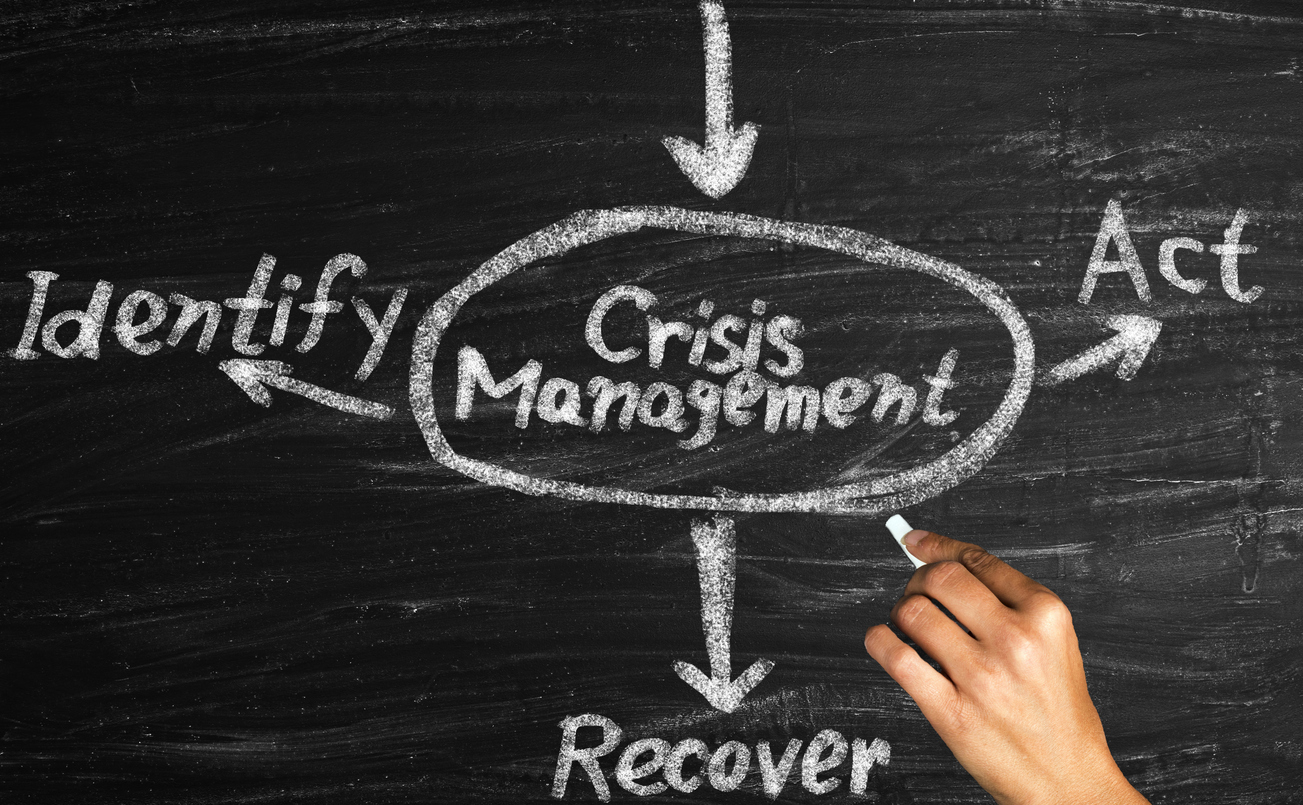
Certainly, issues and crises are interconnected, but they need fundamentally different responses. Failure to understand that not only leads to misallocation of resources, but also desensitizes management to the true potential impact of crises. Most importantly, it creates a false sense of preparedness for when a real crisis strikes.
When executives and communication professionals ignore this critical distinction, it’s more than a management failure. It creates a serious vulnerability and places the whole organization at risk.
I have formulated eight dimensions which might save you from the most obvious mistakes.
- Choice
Issue management is designed to allow you to explore all strategy options, assess trade-offs and make informed decisions. Typically, the more you explore an issue, the more choices open up, with a growing menu of possible options for future success. In a crisis, the positive choices narrow rapidly as the situation deteriorates, and risk invariably increases.
- Urgency
Directly linked to choice is urgency. Issues usually allow time to fully assess and make the best decision. In a crisis, time is the enemy, and delay can be lethal. You are under pressure to make a decision right now, and the best decision might be the one you should have made 30 minutes ago.
- Certainty
Facing an issue, you can research every possible fact, analyze the views of key stakeholders and obtain independent advice. That’s what every expert recommends. In a crisis, you often have to make decisions without knowing all the facts when cause, responsibility, potential cost and likely solutions remain unclear. But you still have to act on the incomplete information available.
- Cost
In dealing with an issue, cost often informs strategy. Costs tend to escalate as an issue develops and budget can become an important consideration. Someone suggests, “Maybe we don’t really need to hire that expensive independent expert.” By contrast, when a crisis threatens reputation or corporate survival, the necessary funding usually gets found. If you need to hire a helicopter or a third-party expert or an international cleanup team, cost is seldom the immediate consideration. It’s only after the crisis that lawyers and accountants start to argue about the dollars and cents.
- Continuity
Issue management should be a normal part of the regular cycle of executive activity. Meetings are scheduled during office hours while business continues uninterrupted. A crisis shatters any idea of “business as usual” and exposes lack of preparedness. It causes top executives to set aside all other priorities and may severely disrupt continuity of the organization’s core activity.
- Duration
Issues can extend over months, years or even decades. Think of the campaign against smoking or fighting to save endangered species. Crises generally have a more explicit time frame, and the triggering event usually has a defined beginning and an apparent end. However, the damaging aftermath of the crisis — such as investigations, litigation and new regulations — persists long after the triggering event is over and can be even more damaging. That’s why this prolonged period is sometimes called the crisis after the crisis.
- Impact
The impact of an issue is often measured in terms such as reputation, market share, brand, community concern, license to operate and stock price. A crisis may have some of the same impacts in the longer run, but more immediately a crisis threatens life, property or the environment, and may threaten capability to operate or even organizational survival.
- Outcomes
Issue management demands early detection of potential problems and works systematically toward planned, positive outcomes. By contrast — despite the theorists who claim that a crisis is both a threat and opportunity — the reality is that a crisis typically endangers the entire organization. The immediate objective is damage control and, hopefully, enabling the enterprise to recover and survive.
Remember, issue management is steering the ship out of troubled waters. Crisis management is trying to save the ship after it has struck an iceberg. Confuse the two and your organization may sink forever.