For Gen Z, what you drink says who you are
What PR pros need to know about the rise of identity-driven consumer choices.

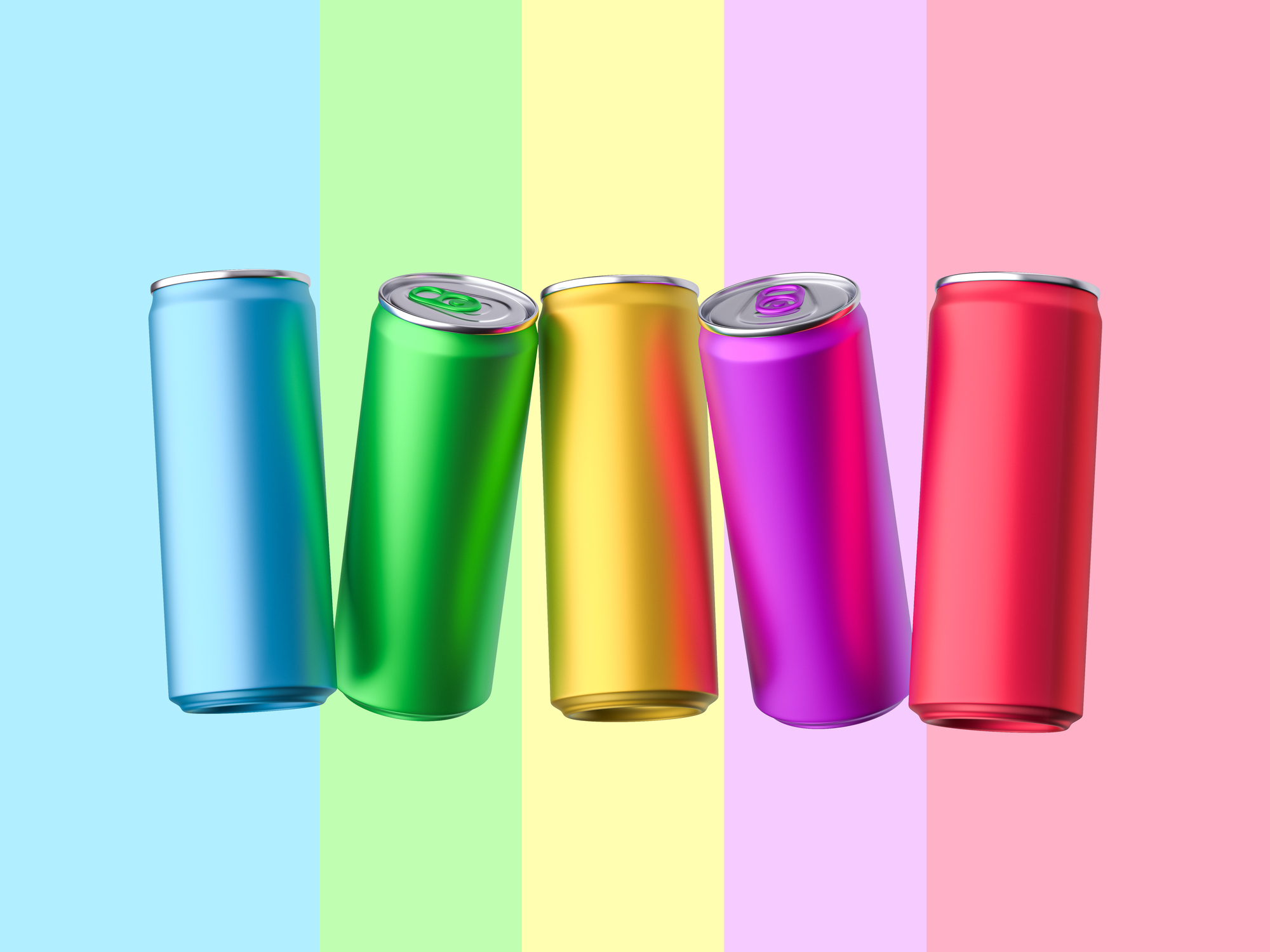
You are what you drink, according to members of Gen Z and Gen Alpha.
Recent data from Keurig Dr Pepper, the company behind brands such as Dr Pepper, A&W, Canada Dry and Snapple, shows 58% of consumers aged 13-29 say the beverages they buy reflect their identity.
Only 41% of U.S. adults aged 30 and over, meanwhile, feel the same.
Additional figures suggest younger shoppers are twice as likely to select a beverage brand that signals something about them than older shoppers, meaning it provides something more than merely quenching thirst.
“What we’re seeing is that beverages have taken on a new kind of meaning for younger generations,” said Julie Cudmore, vice president of insights at Keurig Dr Pepper. “For Gen Z and Gen Alpha, drinks are no longer just about taste or routine — they’re about intention.”
One very literal manifestation of consumers seeing themselves in the products they consume — and not just beverages — appears in the rise of branded merch. Whether it’s Arby’s, Goldfish, Dunkaroos or SunnyD, a wave of brands have begun selling shirts, socks and hats in recent years to individuals who, ironic or not, are willing to wear them to demonstrate their allegiance while displaying a piece of themselves.
View this post on Instagram
Social media and politics
While people have long used everything from cars to clothing to express themselves, social media, experts say, has played a big role in turning seemingly trivial products into a vehicle for conveying personal style.
“Everyday consumption is now even more visible and shared, amplifying its significance,” said Sadie Dyer, senior strategy director at global brand consultancy Siegel+Gale.
Indeed, Keurig Dr Pepper’s research reveals 63% of consumers aged 13-29 say what they see friends, creators and other people on their social feeds drink influences their preferences. Just 48% of consumers aged 30+ say the same.
Cudmore added that because many social platforms are inherently visual and identity-driven, they reinforce the idea that what someone drinks is also a statement about who they are.
“Seeing friends or creators choose a certain beverage instantly connects that product to a lifestyle, a mood or a moment,” said Cudmore. “That social amplification helps turn drinks into cultural signals, not just products.”
Today’s divisive political climate, where consumers seem to spar over everything from logo rebrands to which actors are cast in an upcoming film, has also contributed to supercharging daily goods and services with greater significance.
Bud Light, and the boycott that followed its partnership with transgender influencer Dylan Mulvaney, is a perfect of example of how ordering a drink can become a political statement.
“It seems to hold true that young people use brands to signal identity more than older consumers do,” said Dyer. “However, the politicization of brands is a newer phenomenon. Choices can now be more explicitly read as social or even political signals.”
Ultimately, Cudmore stressed Keurig Dr Pepper’s data suggests “the connection between beverages and self-expression is deeper and more deliberate today than in previous generations.”
Personalization and occasion
One way Keurig Dr Pepper has put this insight into action is through more personalization.
Last year, Dr Pepper partnered with Disney to deliver custom content of its long-running Fansville campaign — which revolves around a town populated by obsessed college football fans — to viewers based on their background and preferences. Using proprietary data, the brand created thousands of different versions of Fansville ads for different audience members depending on their favorite college teams and conferences, then targeted them accordingly.
“The result is storytelling that feels emotionally specific to fans,” said Cudmore.
It’s not unlike how Netflix offers personal movie recommendations or displays thumbnails viewers are likely to select based on past behavior.
Spotify’s annual Wrapped campaign, which turns raw user listening data into a pop-psychology personality profile consumers can broadcast to the world, is another example of how a brand can encourage people to feel invested on a deeper level.
Sure enough, Keurig Dr Pepper’s research shows Gen Z and Gen Alpha shoppers are nearly twice as likely to buy from beverage brands that personalize recommendations and experiences than shoppers who belong to the Millennial generation or an older cohort.
And it’s hard to argue with sales: two years ago, Dr Pepper surpassed Pepsi to become the nation’s second most popular soda by market share, trailing only Coca-Cola.
Today’s young consumers are also less brand loyal than older shoppers. Dyer suggested this indicates they’re expressing different sides of themselves in different moments, as they explore new flavors and limited-time offerings. This gives companies an opportunity to match different brands in their portfolio with specific occasions, experiences and states of mind.
For Cudmore, this means moving beyond one‑size‑fits‑all messaging to build deeper connections with customers through storytelling that shows up in real moments throughout the day. Whether it’s social‑first content or creator partnerships, Cudmore explained, Keurig Dr Pepper is aiming to meet younger consumers as individuals.
“The goal is to create relevance and flexibility at scale,” said Cudmore.
For brands looking to move in this direction, tailoring emails and homepages for specific consumer groups based on age, sex or location is a simple first step.
Overall, Keurig Dr Pepper’s research underscores the power of brand to persuade shoppers walking down a grocery store aisle. In a sense, what appears on the outside of a can or bottle matters just as much, if not more, as what’s inside.
“Brands exist because people’s choices signal who they are or aspire to be,” said Dyer. “How many people could actually identify a beer by taste alone? Or laundry detergent from the experience of using it? True differentiation exists, but it’s rarer than we like to admit.”