Katie Zacharia’s credibility crisis is a wake-up call for every publicist
Publicists must look more closely.
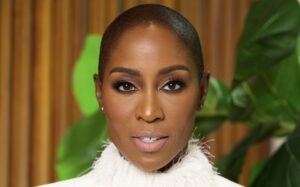
Jordyn Taylor Dean is a celebrity publicist.
Katie Zacharia’s credibility controversy should be a wake-up call for every communications professional.
Not because she stumbled through a press briefing.
Not because she appeared uncomfortable on camera.
But because a credential she spent years using to establish authority became the very thing undermining her credibility.
And all it took was one question: “Where did you pass the bar exam?”
For years, Zacharia appeared on national television describing herself as a lawyer. Her legal background became part of her professional identity, helping establish her authority as a political commentator.
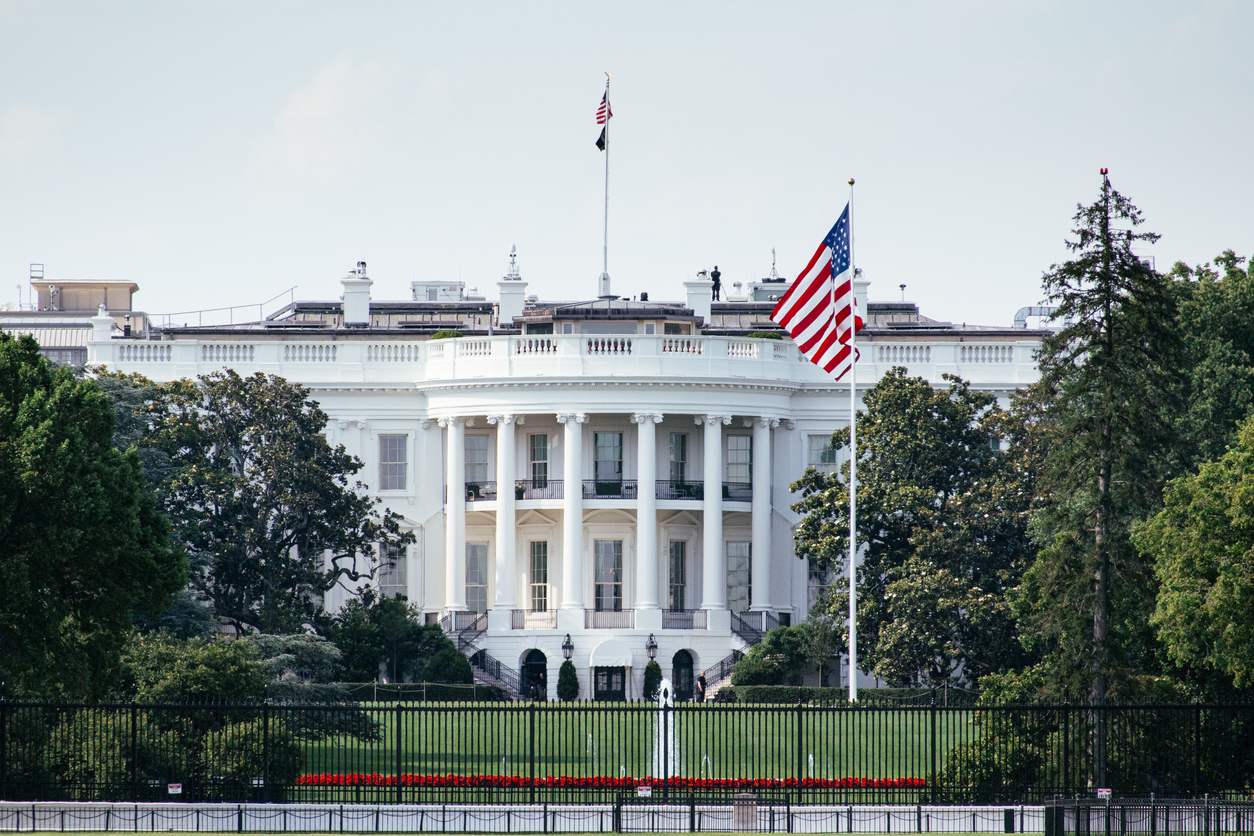
Then came her first week as White House press secretary.
On Oct. 13, following her debut briefing, a reporter questioned President Trump about Zacharia’s legal credentials on the White House South Lawn.
Trump turned to Zacharia for an answer.
“When I moved to China,” she appeared to respond.
The reporter pressed again.
“Where did you pass the bar exam?”
Two days later, Zacharia acknowledged that she had failed the California bar exam and never retaken it.
By Oct. 16, her brief tenure as White House press secretary was over.
The woman responsible for delivering the message had become the message.
I’ve spent more than 20 years in news and entertainment media, first as a television journalist asking uncomfortable questions and now as a celebrity publicist preparing high-profile clients to answer them.
And here’s what I know.
Never underestimate the curiosity of a journalist.
A good reporter doesn’t need to know every answer before asking the question. Sometimes the answer is what tells them where to look next.
And that’s where the real PR lesson begins.
Let’s give credit where it’s due. Zacharia earned a law degree from Pepperdine University. That’s a legitimate accomplishment. But earning a law degree and being licensed to practice law are two different things.
Zacharia has defended describing herself as a lawyer, citing her education and international legal experience. Still, her repeated public descriptions raised questions that could be checked against licensing records.
Come on now.
If you’re going to build your credibility around a professional credential, make sure that credential can survive a background check.
Nerves can be coached. Talking points can be sharpened. Difficult questions can be anticipated.
But when the qualifications you’ve used to establish authority become the controversy, you’re no longer dealing with a simple messaging problem.
You’re dealing with a credibility problem.
We don’t know what vetting occurred before Zacharia assumed her position. We don’t know what conversations took place privately or who questioned her credentials.
And we shouldn’t pretend otherwise.
But the controversy raises a question every communications professional should consider: Are we verifying the credentials we’re promoting, or simply repeating what we’re told?
We love an impressive biography. Award-winning. Best-selling. Renowned expert. Industry leader.
Those words can open doors. They can secure interviews and establish authority.
But can we back them up?
As a former journalist, I know reporters aren’t obligated to stick to our carefully prepared talking points.
One inconsistent answer can send an interview in an entirely different direction.
And as publicists, we should understand that better than anyone.
Our responsibility is to help clients anticipate questions they’d rather avoid.
If a client gives me an impressive credential, my responsibility is to verify the claim, clarify what it actually means and ensure the story we’re telling can withstand scrutiny.
People exaggerate. They spin. They carefully choose their words. And yes, sometimes questionable claims go unchallenged for years.
But there’s a difference between putting your best foot forward and relying on a professional claim that doesn’t hold up.
Once credibility becomes the story, repeating your original talking points won’t necessarily save you.
The strategy has to change.
Address the facts. Correct what’s inaccurate. Clarify what’s been misunderstood. Take responsibility where appropriate.
And understand that rebuilding trust takes more than one polished statement.
This lesson applies far beyond Washington. It applies to celebrities, CEOs, entrepreneurs, medical experts and anyone whose reputation depends on public credibility.
Katie Zacharia’s controversy is a reminder that protecting a reputation begins long before the cameras turn on.
Ask the uncomfortable questions. Check the credentials. Make sure the public narrative can stand on its own.
The journalist who exposes a discrepancy didn’t create your credibility problem. They may simply be the first person who asked the question your team should have anticipated.