The missing piece in your spokesperson strategy
How ZipRecruiter built its career expert program.

Jackie O’Keefe is founder & president, Possible PR.
There’s nothing more frustrating than having a great story to tell and realizing you don’t have the right person to tell it.
Maybe your CEO doesn’t have time for interviews. Or maybe you have an entire leadership team available, but none of them is quite right for the audience you’re trying to reach.
I’ve been there.
While developing the PR strategy for our client, ZipRecruiter, we had access to extensive labor market research and plenty of stories worth telling. But we also knew that if we wanted to reach job seekers beyond traditional business and workplace media, we needed to think differently about who was telling those stories.
Someone navigating a career change or trying to land their first job isn’t necessarily looking to hear from a company executive. They want advice from someone who understands what employers are looking for, knows what’s happening in the job market and can help them figure out what to do next.
That was the opportunity we saw. Rather than trying to make an executive fit every media opportunity, we built a dedicated career expert program around someone job seekers could relate to and, more importantly, trust.
It reinforced something I think more PR professionals should consider: Are we putting forward the person who’s available, or the person who’s actually right for the story?
Here are three lessons from building ZipRecruiter’s career expert program.
- Start with the audience, not the org chart.
Think about how many communications strategies begin with a conversation about executive visibility. Who can we put forward for interviews? Who’s comfortable speaking to reporters? Whose calendar can we get time on?
All fair questions, but here’s the one that should come first: Who does our audience actually want to hear from?
Your CEO might be exactly the right person to discuss business growth or company strategy, but if you’re trying to reach your core customer, the story may call for a different perspective.
For ZipRecruiter, we wanted to reach job seekers beyond traditional business and workplace reporting. We saw opportunities in publications covering everything from college decisions to career changes, where practical advice could naturally become part of the conversation.
Instead of starting with the people available and figuring out where to pitch them, start with the audience you want to reach and work backward.
- Find genuine expertise and give it a platform.
There’s a difference between developing a spokesperson and trying to turn someone into an expert.
Media training can make someone more comfortable in an interview. It can’t give them years of experience or a perspective people genuinely want to hear.
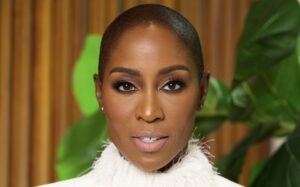
For ZipRecruiter, we partnered with content creator Sam DeMase, better known as Your Career Bestie. Sam had worked in talent acquisition and built an audience of more than one million followers across social platforms by sharing practical career advice. She understood what employers wanted and knew how to simplify and communicate that information to job seekers.
By pairing her expertise with ZipRecruiter’s labor market research, we could offer reporters someone who spoke credibly about hiring trends while giving readers advice they could use.
A recent Town & Country article about how AI is influencing college major decisions is a great example. Sam offered perspective on career paths and what students should consider as they prepare to enter a changing job market.
A student choosing a major isn’t necessarily looking for commentary from the CEO of a hiring platform. They want someone who understands what employers are looking for and can help them make an informed decision.
Sam was the right voice for that conversation, and ZipRecruiter had a natural way in.
For other communications teams, that expert might be an industry specialist, someone working directly with customers or someone outside the organization entirely.
- Don’t let your research live and die with a press release.
One of the biggest advantages of ZipRecruiter’s career expert program is how it works alongside the company’s ongoing research.
ZipRecruiter’s labor economist, Nicole Bachaud, analyzes hiring trends, employer behavior and job seeker experiences. Nicole brings an economic perspective to media conversations, while Sam can translate those insights into practical advice for someone looking for work.
Take a recent CNBC Make It article about resume mistakes. Sam shared that the top three human skills employers want are critical thinking, judgment and decision-making, and creativity, drawing on ZipRecruiter’s AI employer research surveying more than 1,000 hiring managers.
The research gave the advice substance. Sam made it relevant to someone improving their resume.
Traditionally, we spend months developing research reports, only to announce the findings, pitch select reporters and move onto the next topic. A good report should have a much longer shelf life than its launch week.
What other stories can the findings support? Who can explain what they mean to different audiences?
Connecting research with the right experts creates an ongoing source of stories reporters can return to.
The right voice makes all the difference.
Finding the right person is only the beginning. You still need to define where their expertise is most valuable, identify relevant opportunities and recognize when a story isn’t the right fit.
And while coverage volume matters, so does reaching the right audience. Are our spokespeople contributing something meaningful? Are journalists returning to them because they have something useful to say?
I’m certainly not suggesting we stop putting executives in the media. Executive visibility remains an important part of a communications strategy. But it shouldn’t be the entire strategy. There’s room for more.
We spend so much time thinking about the stories we want to tell and the coverage we want to secure. Maybe we should spend a little more time thinking about who should tell those stories in the first place.
Because at the end of the day, it’s not just about who can tell your story. It’s about who your audience actually wants to hear it from.