The Scoop: Malört made its bad flavor part of the brand experience
Plus: Pepsi apologizes, removes Threads post after backlash; brands respond to AI-generated creator ads.

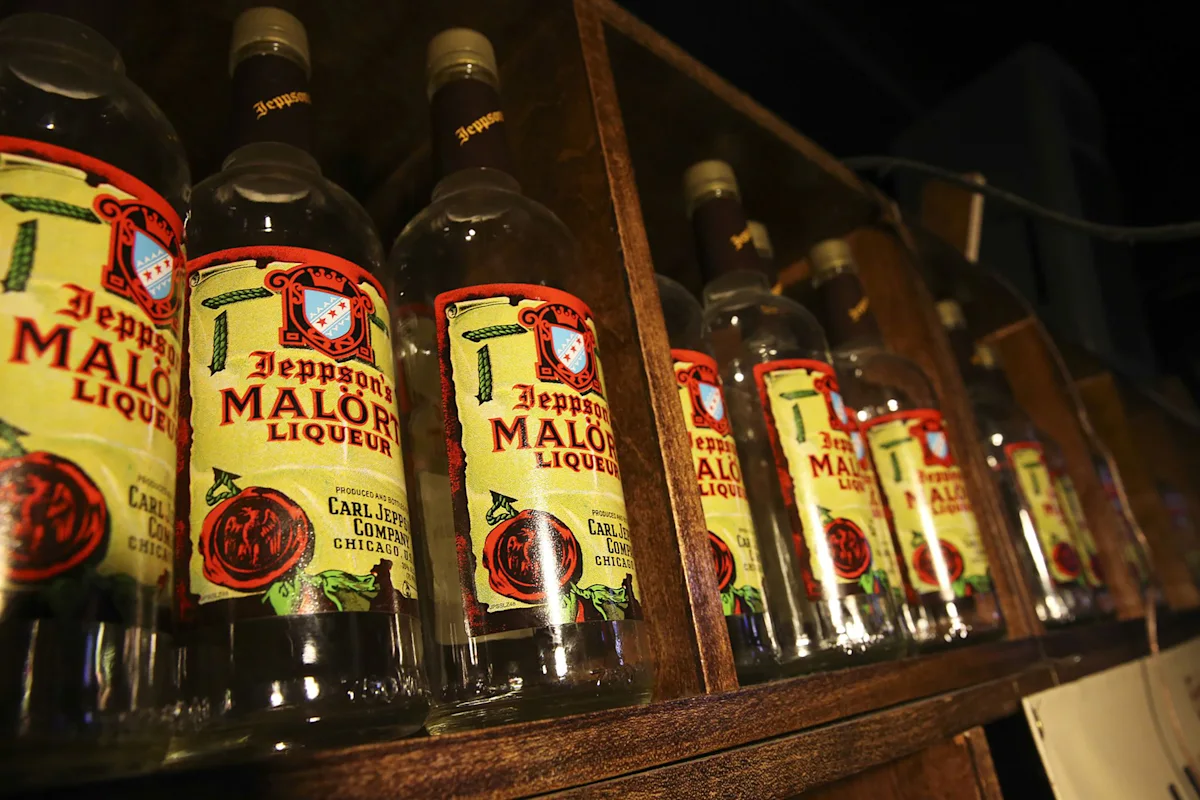
Chicago’s Jeppson’s Malört has turned its notoriously bitter taste into its biggest selling point.
Rather than trying to make Malört seem more appealing, the brand embraced customer descriptions such as “fermented back sweat” and “moist dumpster residue” to reach new audiences, the Wall Street Journal reports.
The company’s “My First Malört” campaign encourages people to try it and share their reactions, however bad they might be. The brand even joined in on the wave of CEO taste tests following McDonald’s Chris Kempzcinski blunder, with Tremaine Atkinson, chief executive officer and co-founder of CH Distillery, calling Malört’s taste as something that resembles “your grandmother’s closet.”
@jeppsonsmalortWelcome to the world of Malört.
“It was so clear to me, we’ve just got to stay on this path of ‘We love to hate it,’” Atkinson told the outlet.
The strategy blew up after Drake posted an Instagram story saying, “There’s no way Chicago enjoys this.” Chicagoans responded, essentially, that they hated it, too, but outsiders just didn’t get the joke.
This helped the company recognize that Malört is a Chicago ritual and a story people want to share; a source of local pride. The brand has since built its social presence around reaction videos, strange recipes and self-mocking content — and it’s paid off.
Since CH Distillery acquired the spirit in 2018, it has expanded distribution from a largely Chicago-area specialty to 37 states and quadrupled sales.
Its five-year compound annual growth rate reached 26%, compared with 2.7% for the broader U.S. distillery industry.
Why it matters: Malört’s self-deprecating tactic shows that brands don’t necessarily have to hide their most divisive quality. When a brand flaw or weakness is largely known, and also part of the customer experience, owning it can actually make the brand more credible and memorable.
The key is that the humor needs to be genuine and give customers a role in spreading the story. Importantly, humor shouldn’t be offensive. It needs to align with the brand’s voice and identity to work.
While Malört doesn’t promise that people will enjoy the taste of its product, it’s banking on offering an experience they will talk about, which is a powerful brand move.
Why did Pepsi apologize over its ‘Wild Cherry’ post?
Pepsi apologized and deleted a Threads post promoting Wild Cherry Pepsi that read, “Pepsi Wild Cherry is what happens when regular cherry stops asking permission.”
Creative Bloq reports that critics said the wording trivialized sexual consent and assault.
Pepsi responded quickly, saying: “Our recent Wild Cherry post landed in a way we never intended. We hear you, we’re sorry, and the post has been deleted.”
But screenshots had already spread across other platforms, extending the backlash further.
The intent of the original post was to make Wild Cherry Pepsi seem rebellious, but that isn’t how people interpreted it. This is a good reminder that social teams need to test riskier copy for how it could be interpreted outside of its intended context, especially around sensitive issues.
A quick apology helped contain the response, but it didn’t completely erase a mistake that should have been caught before it went live.
Why are brands calling out AI videos on TikTok Shop?
AI-generated sales videos are flooding TikTok Shop, with creators using avatars and digital copies of themselves to feature products they may not physically own, per WSJ.
TikTok allows creators to earn commissions from fully AI-generated posts as long as they label them and avoid false claims.
But some brands are pushing back on this. SharkNinja warned affiliates that AI-generated promotions violate its policies and could cost them their commissions. “We didn’t want an AI-generated Shark vacuum cleaning an AI-generated floor,” CCO Neil Shah said. “We want real consumers seeing real products being used by real people.”
Some brands may not realize how their products are being promoted on TikTok Shop with this shift. Open affiliate programs let many creators make sales videos, including AI content the brand didn’t approve, which means, moving forward, companies need clear rules. They need regular monitoring and a plan for removing misleading posts. AI can produce more content quickly, but it could also make product recommendations feel less trustworthy.
How did local news outlets interact with the World Cup?
Local news outlets used the World Cup to try new ways of reaching people and connecting them to their communities.
Nieman Lab reports that WBUR and Spanish-language newspaper El Planeta handed out World Cup sticker albums in a largely Hispanic Boston community.
WBUR’s managing editor for audience, Meagan McGinnes-Bessey, told the outlet: “It’s kind of like Pokémon cards. It’s approachable. It’s just a good time.”
KCUR created a podcast and library exhibit about Kansas City’s soccer history.
The Atlanta Journal-Constitution launched a temporary newsletter and a “Soccer 101” video series that drew 136,000 Instagram views.
The Los Angeles Times built interactive guides that let visitors save restaurants, activities and transit routes.
All these ideas were useful, local and tied to how people were showing up for the event. The news outlets helped people understand their cities, celebrate their communities and plan what to do.
For other brands, this shows how major events can be great for creating awareness, new partnerships and fun experiences that attract audiences and keep them engaged after the event ends.
Courtney Blackann is a communications reporter. Connect with her on LinkedIn or email her at [email protected].