The Scoop: Nike, Meta and Microsoft detail top priorities as they slash jobs, offer early retirement
Plus: Quince is under fire for copyright infringement in social ads; Microsoft explains new direction for Xbox.

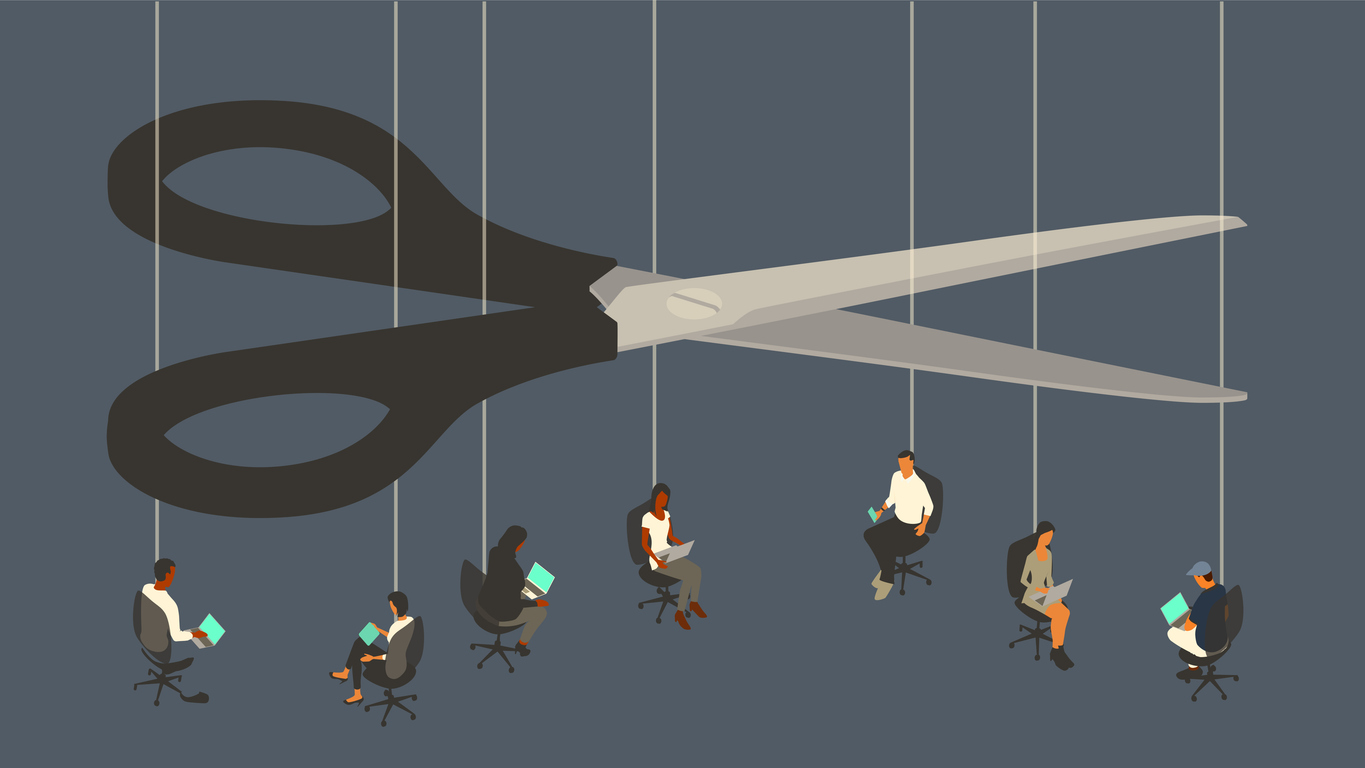
Three major companies made workforce moves this week.
In a leaked memo, Meta said it plans to cut about 10% of its staff, or roughly 8,000 jobs, while also eliminating thousands of open roles to offset heavy AI spending.
Nike is cutting about 1,400 jobs as it works to simplify operations and address slowing sales. “This is not a new direction,” COO Venkatesh Alagirisamy said in a note to employees. “It is the next phase of the work already underway.”
Microsoft is taking a different route and offering voluntary retirement packages to about 7% of its U.S. workforce, its first program of this kind in the company’s history. Instead of layoffs, it’s offering buyouts to thousands of employees, allowing them to leave on their own terms while still reducing costs.
Meta’s cuts are tied to a massive push into AI. The company is expected to spend well over $100 billion on AI infrastructure and is trimming headcount to make it feasible. In the memo, they said: “We need to operate more efficiently and reallocate resources toward our highest priorities.”
Nike’s layoffs are more about performance. The company is dealing with softer demand and increased competition, CNBC reports. Nike acknowledged: “These reductions are very hard for the teammates directly affected and for the teams around them, too.”
Even so, the goal is similar across the board. They’re trying to free up resources and spend more efficiently.
Why it matters: It is rough out there right now. Softer markets. Tougher competition. An AI race tech companies are trying hard to win. This is how companies are recalibrating in 2026.
Expect more variation in how companies cut. Even companies that aren’t necessarily struggling are making these moves to cut costs, boost stock prices and realign their organizations.
There’s also an emphasis on efficiency. Brands are trying to simplify operations after years of expansion followed by economic pressure. Sadly, this means we’ll likely see more of these announcements.
At the same time, these companies are doing what they can to explain the why behind the decision. This is being done with the understanding that stakeholders expect clarity around two things: what is changing and what those changes make possible.
The organizations that can connect those dots clearly will come across as intentional, with a solid plan, despite the bad news. Those that don’t risk looking like they’re reacting to forces outside their control.
Editor’s Top Reads:
- Fashion brand Quince is facing a lawsuit from Universal Music Group and other rights holders, who allege the company used more than 130 copyrighted songs in TikTok and Instagram posts without proper licenses. Music Business Worldwide reports the complaint says tracks from major artists, like Sabrina Carpenter and Justin Bieber, were used with “rampant and brazen infringement,” arguing the content was tied directly to Quince’s marketing efforts, which is done mainly through influencer campaigns. According to the lawsuit, Quince had been warned. The labels say they sent a demand letter in 2024, and Quince responded at the time that it “believes that it has fully addressed the copyright concerns.” The suit also argues Quince maintained control over influencer content, including directing posts and reposting videos with music, making the brand responsible for how that content was used. The case reminds every social media manager of the importance of working in lockstep with legal. Music that is easy for users to access on platforms like TikTok doesn’t automatically clear it for commercial use. Once a brand is involved in directing, paying for or amplifying content, that line moves from organic use to advertising, where licensing rules apply, the lawsuit says. That might mean missing out on a fun trend or two, but it’s infinitely better than being responsible for a multi-million dollar lawsuit.
- Microsoft used its “We Are Xbox” memo to reset how it talks about its gaming business. Sent to employees and published online, leadership explained the business must move faster, simplify how it works and focus on getting games and experiences to more players across more platforms. It also emphasized its customer needs and wants. “Players are frustrated. New feature drops on console have been less frequent. Our presence on PC isn’t strong enough. Pricing is getting harder for people to keep up with. And core experiences like search, discovery, social, and personalization still feel too fragmented,,” the memo said. It also called for clearer decision-making, fewer layers and a stronger focus on output. Phrases like “progress over perfection,” “makers over managers” and “clarity is kindness” are meant to guide how teams operate day to day. It’s less about announcing a new product and more about changing how the organization works. The message works well because it names the problem with total transparency, defines the changes and gives employees simple language they can repeat. That makes it easier for teams to understand what is expected and for external audiences to interpret what the company is doing.
- After a period of struggle, lululemon has named former Nike executive Heather O’Neill as its next CEO, leaning into her experience as a “brand builder” in their announcement. “Heidi is an inspiring leader and proven, consumer-driven brand strategist, with a rare ability to both imagine a new future for a brand and to create the structure and processes to deliver on that vision,” Marti Morfitt, executive chair of lululemon’s board of directors, said. O’Neill laid out her priorities “to accelerate product breakthroughs, deepen the brand’s cultural relevance, and unlock growth in markets around the world.” The release also referred to O’Neill’s lengthy experience in athletic apparel, driving brand voice and “shaping connection with consumers.” Lululemon is leaning into a clear direction here. Its priorities are focused on deepening connections with consumers and becoming culturally relevant again and it is describing O’Neill as the leader who can get them there. Shares of lululemon fell 12% following the announcement, so this does indicate some outside skepticism. O’Neill must now back up her goals with a clear plan of action to rebuild trust in the brand, but also in her as their leader.
Courtney Blackann is a communications reporter. Connect with her on LinkedIn or email her at [email protected].