The Scoop: ‘The right thing to do’: Six Flags addresses shutdown of popular roller coaster
Plus: McDonald’s AI pricing raises franchisee concern; Twitch CEO explains how AI helps determine brand pairings.

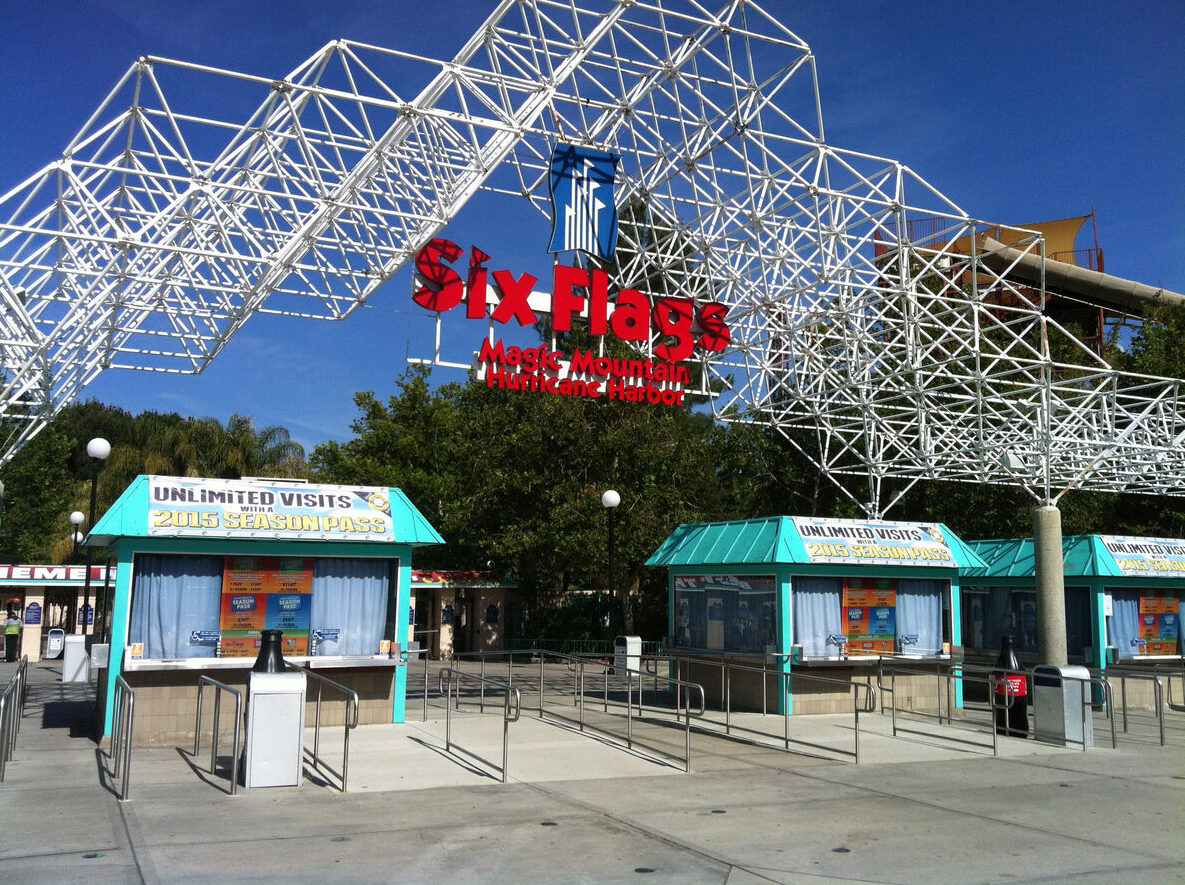
Six Flags Magic Mountain is permanently closing one of its best-known roller coasters amid lawsuits alleging riders suffered serious brain injuries.
The theme park announced Tuesday that it will retire X2, a coaster known for its 360-degree rotating seats and speeds of nearly 80 mph.
“Ride safety is a cornerstone of our business, and when we see guest confidence affected, we take it seriously,” Magic Mountain President Brian Oerding said in the announcement.
The ride has been closed since July 12, after two women who rode it less than a week apart were hospitalized with brain injuries. Three other lawsuits alleging traumatic brain injuries were filed last week, CNN reports.
The company didn’t agree that the ride itself was unsafe. Oerding said X2 had “consistently passed a multitude of safety tests.”
Still, he said the company decided closing it was “the right thing to do.”
Why it matters: Proving something is safe and convincing people that it’s safe are two different things.
Six Flags could have continued pointing to X2’s safety tests as evidence that the ride should stay open. But after multiple serious allegations, the theme park is acknowledging that all the assurances in the world aren’t going to restore confidence here.
When safety is the central concern, a loss of confidence becomes not only a business problem, but a major reputational issue.
Six Flags’ response couples its message with decisive action in plain, concise language. Saying “it’s the right thing to do” helps show guests are the priority. It doesn’t admit the allegations in the lawsuits are true, but it also isn’t dismissive of guests’ concerns.
PR pros should recognize when sharing data and facts won’t answer the question stakeholders are actually asking, and here, Six Flags reassures it’s taking responsibility and addressing the top-of-mind concern.
How much control do McDonald’s franchisees have over prices?
McDonald’s is increasingly using AI to recommend prices based on local competition and what customers are willing to pay, Reuters reports. The company says the recommendations are optional and franchisees make the final call.
But five franchisees said they feel pressure to follow them. Former franchisee Karen King told Reuters, “You don’t really have much of a choice anymore.”
CEO Chris Kempczinski also referred to “pricing non-compliance” when discussing franchisee reviews this summer. He recently criticized restaurants that didn’t follow the company’s guidance on lower-priced menu items, saying their results were “a lot softer.”
While McDonald’s can say its pricing recommendations are voluntary, franchisees are describing a completely different experience, which creates a problem. When local owners, or even employees, don’t describe something the same way leadership does, it becomes a credibility issue. Reuters also describes this as “risks (that are) alienating customers and attracting antitrust scrutiny,” so McDonald’s needs to clarify the policy and follow through on what they say.
Why is Twitch using AI to judge streamers for advertisers?
Twitch is using AI to listen to livestreams and determine whether creators are a good fit for particular brands.
CEO Dan Clancy said Twitch transcribes streams and uses AI to identify creators or content that “may not match a brand,” NDTV reports. Advertisers can then tell Twitch what types of content they want their brands associated with, and the platform uses those transcripts as a layer of brand-safety screening.
“We transcribe streams to figure out ‘Is this appropriate for this brand?’” Clancy said. He also said Twitch invested heavily in making sure advertising appears alongside creators and content that fit what brands are trying to achieve.
Some creators are pushing back though, questioning how accurately AI can understand context and whether they’ll know when the system says their content isn’t right for an ad. Twitch has not publicly detailed exactly what words, topics or behaviors could trigger the system, the outlet reports.
This is another example of AI becoming a behind-the-scenes reputation factor. Brands may gain another layer of protection over where their ads appear, but creators also want transparency about how those decisions are made.
When AI is making judgments about appropriate brand pairings, companies need to be able to explain what it’s judging and what happens when the judgment is inaccurate.
Why is Kroger trying to be more like Walmart?
Kroger is borrowing Walmart’s strategy as it tries to win back shoppers looking for lower grocery prices in today’s rough economy.
CEO Greg Foran, who previously ran Walmart’s U.S. business, is cutting costs and pushing Kroger away from regular promos toward more consistent low prices, The Wall Street Journal reports. Kroger has lost market share as shoppers increasingly turn to Walmart and other discount competitors, the outlet says.
Kroger additionally stopped selling Red Bull nationwide after the energy drink company increased prices while reportedly offering a better deal to a rival grocer.
“We have to be relentless on cost,” Foran said. “Every dollar we take out is a dollar we can reinvest in areas customers will see.”
It’s an interesting brand shift for Kroger. Foran is trying to change what shoppers associate with the Kroger name, meaning going from a place where customers hunt for deals to one they trust to offer low prices more consistently. Essentially, it’s a visible PR move. They want customers to see the difference on shelves, in stores and eventually in their grocery bills.