Playing war: How nostalgia became a weapon in crisis communication
Your crisis plan isn’t ready for this.
Ishola Nasirudeen Ayodele is dean of The School of Impactful Communication.
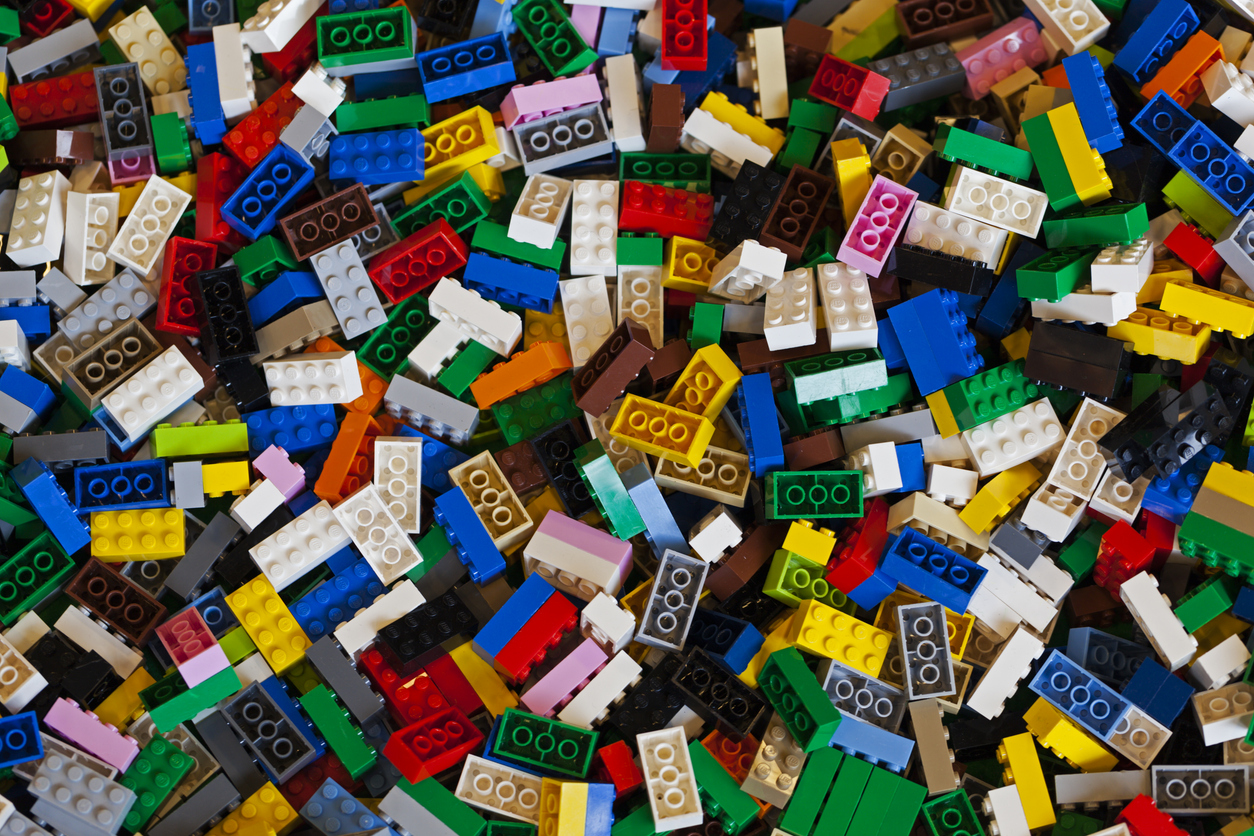
Iranian state-affiliated creators recently released stop-motion videos depicting missile strikes on Israel and the U.S. The cast was LEGO. The soundtrack was hip-hop. The aesthetic was Saturday morning cartoon. The reach was up to a billion views.
And your crisis communication playbook has absolutely no chapter for this.
Here is what happened. A Tehran-based creative team called Explosive Media — fewer than ten people, most between 19 and 25 — produced a series of LEGO-style videos depicting Iranian military strikes. They flipped MAGA into MIGA. They turned Trump’s own insults into viral hooks. They mapped American progressive grievances onto Iranian military hardware with the precision of social media natives. The lighting was Pixar-adjacent. The editing was meme-savvy. The irony was so thick that sincerity became indistinguishable from trolling.
The numbers were staggering. Canadian Rapid Response Mechanism analysis estimated 83 million confirmed views in the first month, with broader network estimates crossing a billion. But here is the detail that should terrify every crisis communicator: much of the organic amplification came not from bot farms, but from Western teenagers and young adults who shared and remixed the content because it triggered something deeper. Emotional resonance. Nostalgic comfort. Political catharsis. The content had recruited its own carriers, and they were not even aware they were infected.
The second outbreak
We are used to managing the first outbreak: bombs, drones, casualties, official statements, press briefings, fact-checks. That is kinetic crisis communication. It is measurable. It fits neatly into dashboards.
But there is a second outbreak, and it is perceptual. It is the silent infection of meaning itself. It does not ask permission from platforms, borders, or fact-checkers. It rides the symbols we once assumed were safe: the toys of childhood, the rhythms of hip-hop, the nostalgic grammar of Saturday morning cartoons. By the time organisations notice it, the fever has already rewritten the emotional immune system of a generation.
Content moderation systems failed because they were built for the first outbreak. Algorithms trained to flag blood, corpses, and graphic war footage struggled to catch plastic bricks exploding in cartoon fire. The violence was not visual; it was symbolic. And symbolic violence travels faster because it feels like play.
This is not a problem for governments alone. If you manage reputation, stakeholder trust, or brand perception, this is your problem. The same dynamics that allowed LEGO missiles to reframe geopolitical conflict are already being used to reframe corporate crises, product failures, and executive scandals. The only difference is the scale of the budget.
So what should PR practitioners do differently?
First, treat narrative like a pathogen. Trace its vectors — platforms, aesthetic formats, emotional triggers. Map its reproductive rate: how many new minds does it infect per share? Identify the “super-spreader” aesthetics — LEGO, Pixar, Minecraft, Studio Ghibli — that lower cognitive resistance by wrapping ideology in the emotional safety of childhood. If you do not know what aesthetic language your stakeholders speak, you cannot know what they are catching.
Second, compete on emotion, not just fact. The White House responded with its own cinematic hype videos because instinctively, its team understood that pure fact-checking loses to better aesthetics. In a crisis, the most emotionally coherent story wins. Your counter-narrative is useless if it feels like a PDF while your adversary’s feels like a blockbuster. Invest in creative talent that understands culture, not just copy.
Third, map your audience’s emotional landscape continuously. The Iranian team succeeded because they studied American youth culture with anthropological intensity. Most organisations only study their audiences when a crisis hits. That is too late. You need ongoing stakeholder intelligence that tracks not just what people say, but what they feel, fear, and remember. Reputation is a savings account. You make deposits during normal times so you have something to draw upon during difficulty.
These three shifts demand immediate attention. The full architecture runs deeper than one article can hold.
This is only a partial map. I have spent years tracing this terrain through Perceptology — the discipline of perception surveillance — and the cases that prove its necessity keep multiplying. But even three shifts, taken seriously, change the game.
The hard truth
The Yoruba have a saying: Proverb is the horse of conversation; when the conversation falters, it is the horse — the story, the image — that carries it forward.
Ordinary corporate messaging, the “ọ̀rọ̀,” is getting lost in the noise. The nostalgic aesthetic, the childhood imagery, the familiar beat — these have become the òwe, the horse that carries meaning across barriers that conventional press releases can never cross. The message that travels farthest is not the most factual. It is the most story.
We have entered an era in which the most effective crises no longer need to destroy your reputation with facts first. They can destroy the shared perceptual ground on which your stakeholders decide what to believe. When a plastic minifigure can make a real missile strike feel like justice, or a real corporate failure feel like a conspiracy, the second outbreak has already won.
The bricks are already flying. The question is no longer whether this kind of crisis will come for your organisation. It is whether you will finally learn to treat perception itself as the critical infrastructure it has become.
Your playbook needs a new chapter. Write it before the plastic soldiers start marching through your stakeholder’s feed,