The Scoop: Target is in the middle of an ICE controversy. Again.
Plus: Nikon rescinds video prize over AI use; companies are using tariff dollars as marketing — in more ways than one.

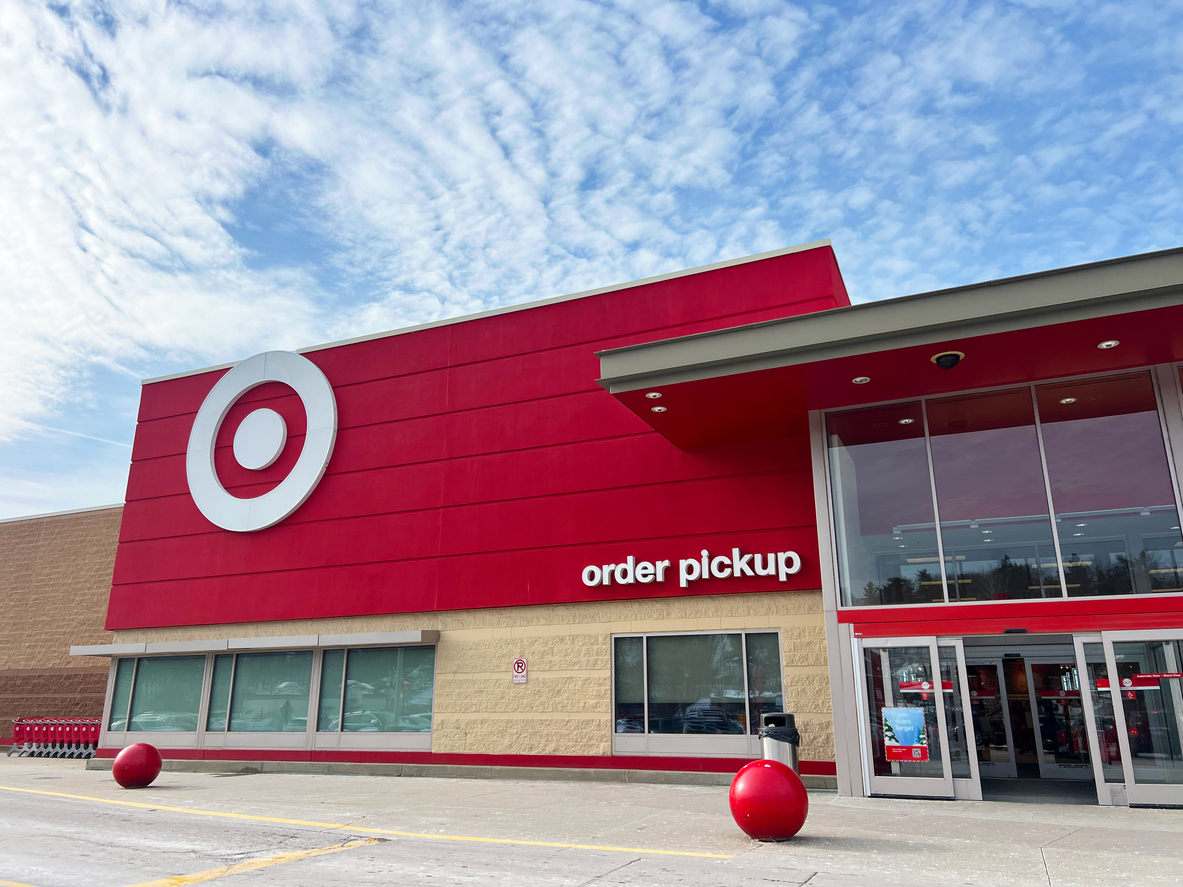
Target is finding itself in the center of yet another social-political scandal that’s earned the ire of both the public and politicians.
This one focuses on the use of a Target parking lot in New York City that ICE agents used as a staging area after shooting a man who was in a car with his 5-year-old son.
City official Naveed Hasan claimed ICE has used the parking lot as a staging area regularly since March. New York Representative Alexandria Ocasio-Cortez, a potential 2028 presidential hopeful, issued strong words for the company.
“The Target Corporation must stop offering their Bronx properties as private staging sites for ICE, in compliance with requests from New York officials. Target opening up large, active retail parking lots for paramilitary activity is unacceptable and places the entire community at risk.”
Target, for its part, offered a short statement.
“Target has no cooperative agreements with ICE or any other immigration enforcement agency,” a spokesperson said.
This is not the first time Target has found itself in the center of an ICE controversy. In January, employees were dragged out of Minnesota Target stores by ICE agents, even as they insisted they were citizens. Protests and sit-ins against the company ensued. Additionally, Target has found itself at the center of the culture wars for years, dating back to a controversial Pride collection in 2023.
Why it matters: Target issued a statement but didn’t answer the larger question.
It’s one thing to have a cooperative agreement with an agency. It’s another to allow the activity in the absence of an agreement.
Of course, there are deeper questions here. Does Target own the shopping plaza parking lot? Does it have the ability to ask the agents to leave? Has it tried?
But Target only answered one accusation, the easiest to refute: There is no formal agreement.
Yet the central question remains unanswered: Are Target shoppers safe? Do they regularly permit unrelated law enforcement activity to take place near their store?
Target is trying to remain neutral. That is not possible in this situation. It would have been better to remain silent than to release this refutation of one part of the accusation without more fully engaging with the substance.
Target didn’t ask to be brought into this situation. But they are responsible for dealing with it.
Nikon rescinds scientific photography prize after AI use was discovered
Since 1975, Nikon has held an annual contest celebrating the best use of microscopic photography (and later video). The results were regularly published in major publications around the world.
Now, scandal has rocked the nerdy competition as Nikon revoked its first prize winner after AI use was discovered.
The prize was initially awarded to Singaporean engineer Ning Xu, who allegedly filmed the cilia of a child with a lung disorder. But as soon as the winning video was posted, baffled comments from the audience began to pour in.
“What in the world am I looking at here? @Nikon?” one commenter said. Others noted the size of the cilia didn’t make sense, and cellular structures appeared and disappeared. It seemed AI use was afoot.
“After thoroughly re-evaluating the video and supporting materials and consulting with members of our judging panel, Nikon has determined that the winning video did not comply with the competition rules regarding generative A.I.,” Nikon wrote in a statement rescinding the prize.
Xu claimed he used AI to enhance the footage (which is permitted), not to generate it.
Nikon did the right thing: It used social listening to surface a problem and upheld the rules of its contest, awarding the runner-up the top spot. But there are lessons to be learned: Thoroughly understand how AI was used. Look at watermarks, ask questions. Assume it’s everywhere and act accordingly.
Tariff refunds are being used to fund marketing in a big way
Many major brands say they’re using tariff refunds on marketing efforts — but that may be a marketing effort in and of itself.
The Wall Street Journal reports that brands including Warby Parker, e.l.f. Cosmetics and Levi Strauss have pledged to use millions of dollars returned from the U.S. government after tariffs were repealed on various awareness and marketing initiatives. But when accompanied by vague promises of “awareness building” campaigns, some wonder whether this isn’t actually an analyst relations move in disguise, designed to reassure investors that they’ll hit their goals even in a challenging economy.
“It’s almost more of a messaging thing than a question of whether the tariff refunds are really contributing meaningfully to the proportion of their budget that they do spend on marketing,” Brian Wieser, founder of consulting firm Madison & Wall, told the Journal.
Microsoft makes the case for AI regulation in the UK market
After President Donald Trump declined to enact AI regulations in the U.S., save for attempting to rebrand it “super intelligence,” Microsoft is now making its case in Great Britain.
Brad Smith, president of Microsoft, is making the interview rounds in the UK, arguing to the BBC that milk and washing machines are more regulated than AI.
“We know how to do this for other products,” Smith said. “We should build on that knowledge and think about how to apply it to AI.”
Smith is a less-known public personality than CEO Satya Nadella, though his profile is growing. This UK swing may be part of his new duties as overseer of communications at the company. But it also shows that when one door closes, go in through the window. The U.S. isn’t open to regulations? Find another way; explore another market.
Allison Carter is editorial director of PR Daily and Ragan.com. Follow her on LinkedIn.