The Scoop: California implements bill that would help fund local media
Plus: What it means to make ads for AI; the new branding job that’s in high demand.

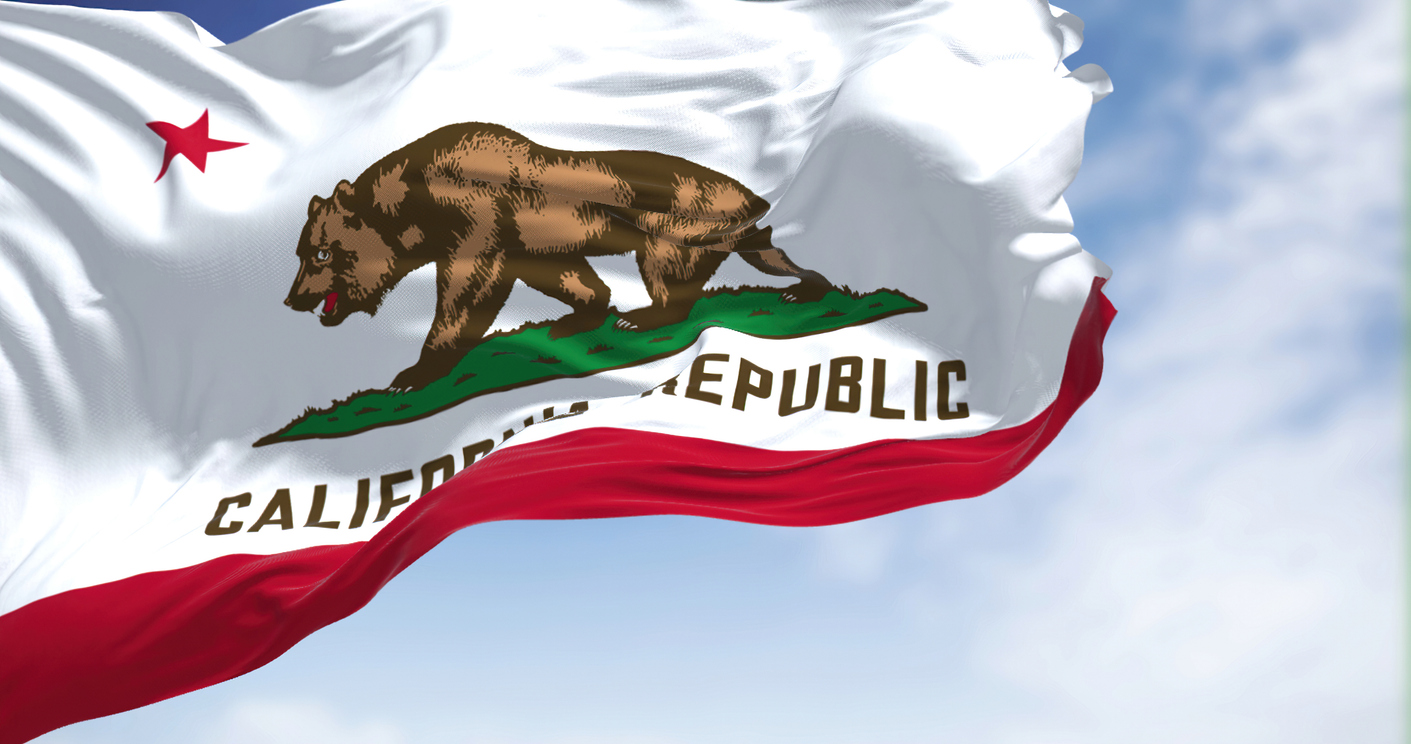
It’s a rare spot of good news in the local media space. California has enacted a law that offers sizable tax benefits for newsrooms that employ journalists: $20,000 each for the first five journalists, then $15,000 for each additional journalist, plus additional incentives for part-time and new hires, Nieman Lab reports.
The outlets must focus primarily on serving news to California audiences and prove that at least 33% of their audience is based in the state.
At a news conference covering the bill’s signing, Governor Gavin Newsom raised reservations about the bill.
“It does subsidize those that don’t need to be subsidized,” he said, according to the Los Angeles Times. “We have hedge funds in this space. We have billionaires in this space. We have people that are profiteering in this space by gutting the newsrooms and extracting value out of the space that also are the beneficiaries.”
Still, Newsom praised the profession of journalism, pointing to what he called an “assault on the free press and the First Amendment … coming from Washington, D.C., and Donald Trump.”
It’s worth noting Newsom is likely in the running for the Democratic nomination for president in 2028.
Why it matters: Just last week, more journalists were laid off from USA TODAY Inc., the largest local newspaper chain in the country. Less than a month ago, McClatchy laid off 90 journalists.
These reporters, photojournalists, producers and other journalists are often unsung, receiving less attention than their counterparts with national news organizations. But for communities and states that don’t receive much national reporting, they’re vital — and a critical way for PR professionals to share their stories.
Whether your organization needs to recruit workers for a new manufacturing plant, gain buy-in for a data center or publicize community donations, local news remains, in many cases, the best outlet. But as journalism continues to shrink and the job function is taken over by influencers and unreliable social media pages, the damage to trust in your company and the limitation of your message may be deeper than you think.
Will this bill solve local journalism’s woes? Hardly. But it recognizes the importance of the fourth estate and the need to preserve it for both civic and commercial reasons.
Companies are trying to woo AI in a new way
PR is abuzz with the promise of GEO, the art and science of persuading robots to return your messaging to searchers. But there’s a new frontier in the robots-as-audience front: Getting shopping robots to pick your product out of the thousands of others they might choose.
As new agentic shoppers from Meta and OpenAI gain steam, companies are trying to determine how the AI selects which products to recommend to human purchasers.
That’s turning the advertising game on its head.
“When you advertise to humans, you target eyeballs, emotions and dopamine, but when you advertise to agents, you advertise to logic, a very mathematical logic,” Aviv Shamny, the co-founder and chief executive of AI search platform Limy, told the New York Times.
In the near future, consumers may never visit a brand’s website at all to purchase a product. The entire transaction may take place in an LLM chat interface, some predict. And it has a very clear tie to PR: bots love data. Product specifications, reviews, blog posts and social media posts discussing the product. The more of that you have, the more likely you are to appeal to their algorithms.
Look out for this to potentially become part of your duties in the future.
Ex-AI employees keep sounding the alarm
Another day, another former AI employee sounding the alarm on the risks of the product they helped create. This time it’s David Robinson, a former OpenAI staffer who now says in an essay in The Atlantic that AI is dangerous and could harm us all.
We won’t get into the substance of those accusations again, but this is the latest data point in a trend that’s a serious PR risk: former employees spilling all after departing.
Now, of course, many industries have employees sign NDAs. But that isn’t always practical for every employee. Still, these unhappy employees have the ability to shape public perception of your organization by sharing their worst days and deepest concerns.
The best defense is a good offense: work with internal communications and HR to understand exit interviews and potential pain points. Know who’s likely to go to the media and be ready. And, of course, the best method is to address these concerns in real-time, while the employee is still employed.
P&G CEO on the new brand building role he needs lots of
P&G CEO Shailesh Jejurikar was blunt with the New York Times about recent layoffs and areas where he thinks AI can drastically reduce or even eliminate the need for certain roles.
But he also highlighted one major area of growth.
You need to do social listening every day. What are people saying on social media? What does it mean? Are you getting any insights out of that? Do you need to respond to that? Do you need to adjust your creative content based on that?
In a world where you made a few ads a year, it was important. Now, where content is in the thousands, branding is even more important to be sharp. The brand idea has to be crystal clear.
This, Jejurikar says, has led to the number of people needed in the brand space to “dramatically increase.” A nice area of growth and opportunity in the general PR space.