The unconventional storytelling move that helped Ohio State expand brand storytelling beyond football
Build your stories around people, not just promotion.
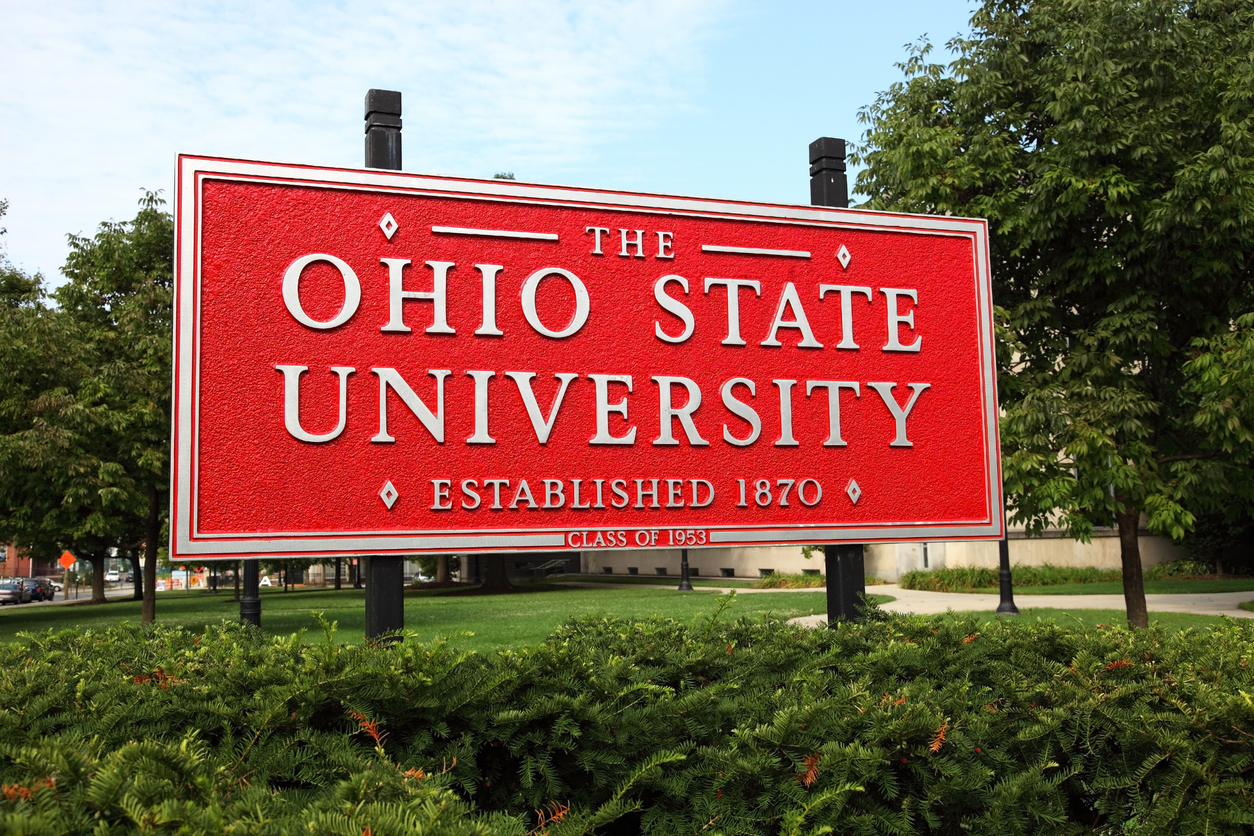
When you think about Ohio State, or as alumni and fans like to refer to it, The Ohio State University, your mind probably goes to crisp fall Saturdays in Columbus and football games that are packed to the gills with fans in red cheering on the Buckeyes.
Skip Hidlay, former chief communications and marketing officer at Ohio State University Wexner Medical Center and current managing principal at W. Clair Communications, faced a major challenge when he was tasked with leading a branding overhaul for Ohio State’s health system’s websites. He needed the Ohio State name to become more than just about athletic achievements. He’ll share his learnings during Ragan’s Brand Storytelling Certificate Course this June.
He added that the biggest storytelling mistake communicators make is waiting for stories to come to them rather than actively uncovering narratives that audiences actually care about.
“Every brand has great stories, but you have to function like a traditional reporter and writer long enough to actually find them,” Hidlay told Ragan. “Don’t wait for somebody to say, ‘Hey, we need a news release on this.’ Use your curiosity, use your entrepreneurial instincts and go find stories you yourself would actually be interested in reading in your own social media feed.”
Building a storytelling engine
For communicators working inside sprawling organizations, Hidlay said one of the hardest storytelling challenges is building a cohesive narrative across disconnected teams, varying priorities and multiple channels.
“The biggest question I had to ask myself was, ‘How do I dimensionalize the Ohio State master brand so it’s perceived and known for more than just football?’” Hidlay said. “Our goal was really to broaden the dimensions of the brand so people understood Ohio State was also a leader in scientific research, advanced clinical care and education. Storytelling became one of the main ways we could reshape that perception.”
The complexity of Ohio State’s healthcare system made telling a uniform story tough, with many stakeholders each with their own priorities. But Hidlay said that the strategy that ended up working came to him on his morning run.
“Instead of trying to combine all these websites politically and operationally, why not create a storytelling website that sits above them?” Hidlay said. “It wouldn’t replace those sites. It would connect to them while functioning as a centralized storytelling engine focused on brand building, brand reputation and audience engagement.”
Treat comms pros as journalists to reveal the best narratives
Hidlay said that from an internal comms perspective, one of the most important lessons from the site rebrand is that his team members needed editorial chops and discretion.
“We had writers, editors and storytellers whose job was to go find compelling stories and tell them in ways audiences would genuinely engage with,” Hidlay said. “It was literally like running a newsroom for a healthcare brand. We would look at our research priorities, our clinical care priorities and ask: where are the stories here?”
That meant communicators weren’t waiting for executives to hand them story assignments. Instead, writers actively sourced narratives from physicians, researchers and patients tied to organizational priorities.
“We would identify the physicians, researchers or patients connected to those areas and just start reporting,” Hidlay said. “We had writers who would interview people, develop ideas and build stories the same way journalists would.”
With this type of content creation structure, comms pros can spend less time thinking about content volume and more time building editorial systems that consistently publish strong stories across the organization.
People-forward stories make the brand unique
To achieve his goal of making a distinctive storytelling push for Wexner Medical Center within the Ohio State brand ecosystem, Hidlay focused heavily on human-centered storytelling tied to physicians, researchers, and patient care rather than simply parroting institutional announcements.
“We did deep New Yorker-style profiles and feature storytelling about our physicians, our physician scientists and some of the really innovative patient care we provided,” Hidlay said. “We weren’t afraid of longform. We were regularly publishing stories in the range of 1,200 to 1,600 words with lots of photos, lots of videos and immersive storytelling elements.”
Hidlay also gave a few tips for what internal comms can look for when they want to show off the people making up the organization:
- Employees solving difficult problems behind the scenes.
- Cross-functional partnerships driving measurable results.
- Moments where company values show up in daily work.
- Experts who can translate complex work into human stories.
“We believed audiences would spend time with great stories if the stories were genuinely compelling and deeply human,” Hidlay said. “At the heart of every great story there’s always a human being. Find the human element, find the details and tell stories people genuinely care about.”
To sign up for our Brand Storytelling Certificate Course, click here.
Sean Devlin is an editor at Ragan Communications.