The Scoop: DoorDash bluntly admits ‘we screwed up’ in $131.5 million settlement
Plus: MrBeast explains power of video; Meta’s Muse spurs backlash from Amazon.

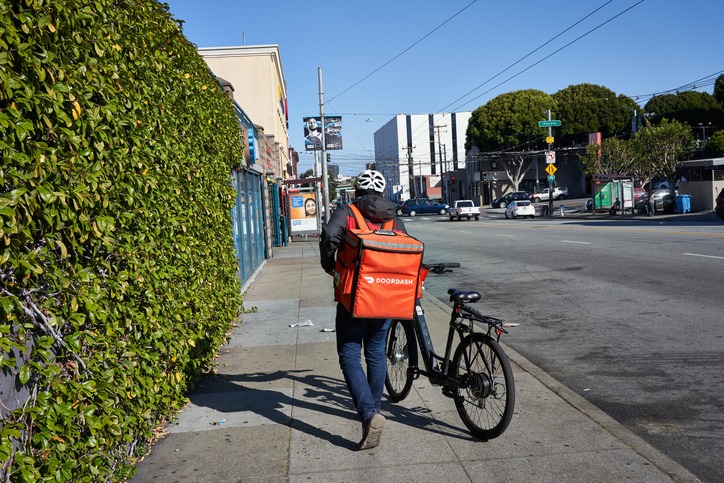
DoorDash has agreed to pay $131.5 million to settle a New York City investigation that found delivery workers were underpaid, paid late or, in some cases, not paid at all.
The New York Times reports more than $115 million will go to roughly 264,000 workers, while $16.7 million will cover penalties and costs. The city called it the largest worker settlement in New York City history.
DoorDash addressed the situation in a statement on Tuesday.
“Simply put, we screwed up,” the company said. “Our mistakes meant some Dashers were underpaid or paid late…While these mistakes weren’t intentional, that doesn’t make them okay.”
The company blamed some of the problems on technical glitches and “complicated delivery situations,” like trips crossing city lines or canceled orders. DoorDash also disputes part of the city’s interpretation of how workers should be compensated for time spent logged into the app between deliveries, but said it will use the city’s calculation going forward.
Why it matters: The apology works well. There’s no “we regret any confusion” or making light of the real harm it caused. DoorDash acknowledges the mistake openly, apologizes to the people affected and immediately explains what it is doing about it.
Their directness is also important because the company isn’t conceding every point in the dispute. It still maintains that part of its pay calculation was legal. But instead of using that disagreement to dodge all responsibility, DoorDash separates the two things. They established: here’s what we got wrong, here’s what we disagree about and here’s what we’re changing anyway.
DoorDash still has a sizable trust problem to repair with all this. But “we screwed up” is a much stronger, and more human, place to start than any corporate worded statement or defensive stance.
What is MrBeast saying about video?
YouTube creator MrBeast and Rockefeller Foundation President Rajiv Shah are making the case that video storytelling can help people understand complex issues and motivate them to act.
The two organizations partnered last year to combine Beast Philanthropy’s digital storytelling expertise with Rockefeller’s experience tackling issues like hunger and poverty.
In a New York Times opinion piece, MrBeast and Shah said that video can help philanthropy keep pace with media fragmentation.
“People are engaging with the videos too. The February MrBeast video “I Built 10 Schools Around the World” has been watched more than 82 million times and liked 2.4 million times,” they write. “Those numbers demonstrate the unique power video has to capture people’s attention and inspire them to care.”
The partnership is built partly on the idea that some institutions have struggled to reach younger audiences, while creators have become increasingly influential sources of information and trust.
Organizations may have deep expertise in their industry, but they sometimes communicate it through complex explanations that few people will engage with. Creators can do the opposite. They know how to take an idea, give it a human story and make the audience understand why it matters in a short clip.
That doesn’t mean every brand should imitate MrBeast. It means communicators should think about video earlier in the process, asking what part of the story would be clearer, more credible or more useful if audiences could actually see it.
What is Meta’s Muse agent about?
Meta’s new personal AI agent, Muse, which we wrote about here, has become an instant hit. The app hit the top spot on Apple’s U.S. App Store within two weeks of its launch.
But Meta is now running into questions about privacy, security and how much freedom AI agents should have to act on people’s behalf, per The Wall Street Journal.
Amazon has blocked Muse from shopping on Amazon.com, saying Meta didn’t tell the retailer the agent would access its site and that Muse doesn’t identify itself while browsing. Amazon also raised concerns about how customer credentials could be handled. Meta has said Muse cannot see users’ passwords or payment information and that credentials are kept in secure storage.
“We think it’s fairly straightforward that third-party apps should operate openly and respect service provider decisions” about participating, an Amazon spokesperson told the outlet, which isn’t mincing words about how they feel about the app.
Meta has not responded publicly to Amazon’s statement and declined to comment to WSJ.
Consumers aren’t the only audience here. Despite its popularity, businesses like Amazon are the ones with something at stake if Muse screws up. Their stance is clear. If other companies follow suit, Meta is going to have to do some more explaining if it wants to keep the tool operating..
Before rolling out new tools, especially where privacy could be a concern, teams should be prepared to answer questions about how it will be used. Ignoring this is a reputational and credibility risk that could kill a hot streak like Muse is having now.
Why have four major networks left the White House press pool?
Major networks ABC, CBS, NBC and Fox News suspended their participation in White House pool coverage after the Trump administration barred CNN, MS NOW and Politico from White House grounds, Variety reports.
“The public has a vital interest in receiving accurate, independent information about its government,” the networks said in a joint statement on X. “No administration should restrict a news organization because it objects to its reporting.”
It’s a short statement, but it’s effective. There’s strength in competitors speaking with one voice when the issue affects all of them. When organizations with different audiences and interests align around a unified principle, the message carries more weight and it’s harder to dismiss, which makes it more impactful.