The Scoop: FCC Chair threatens media could lose licenses over Iran war coverage
Plus: Major airline CEOs address shutdown disruption in open letter to Congress; executives want to emulate Warren Buffet’s relatable comms style.

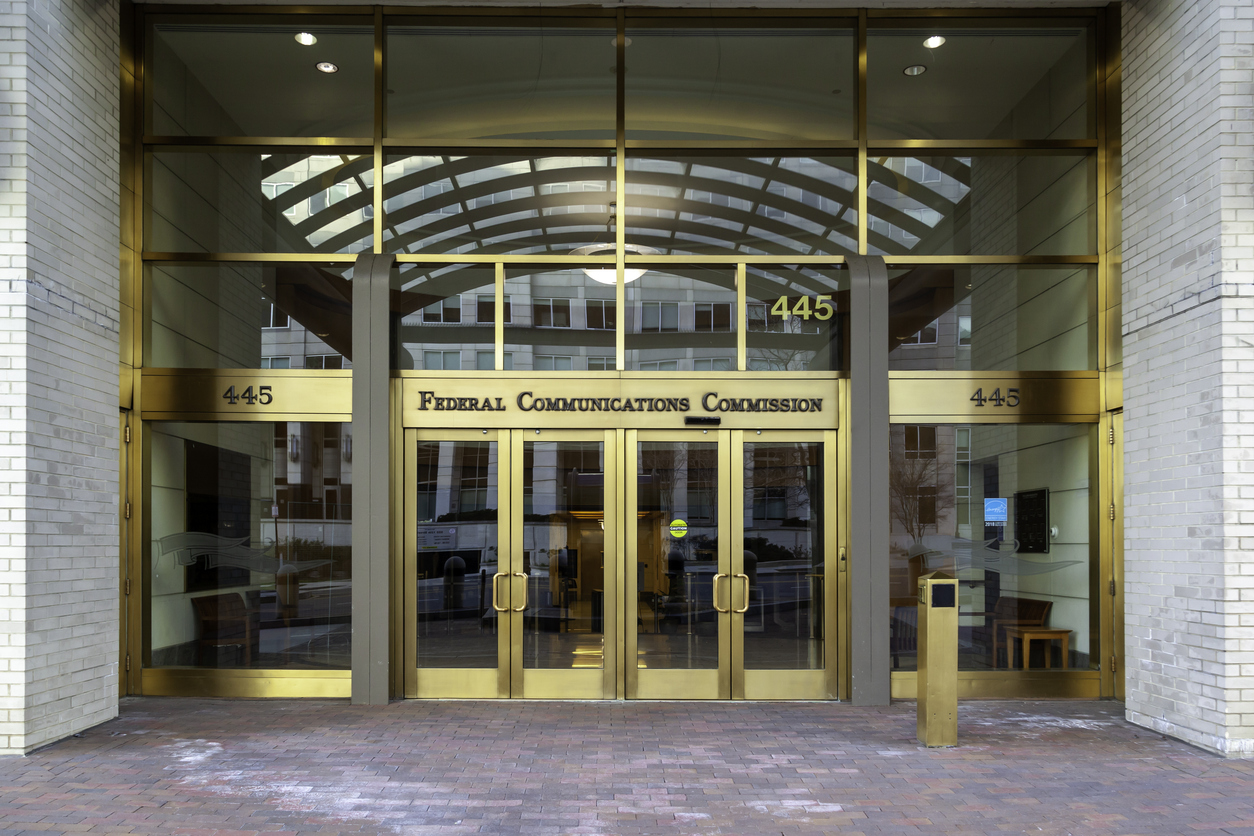
FCC Chair Brendan Carr warned broadcasters they could face consequences for airing what the government considers misleading information around the war with Iran.
In a post on X over the weekend, Carr said the media must “correct course” or risk losing their broadcast licenses.
He wrote: “The law is clear. Broadcasters must operate in the public interest, and they will lose their licenses if they do not. And frankly, changing course is in their own business interests since trust in legacy media has now fallen to an all time low of just 9% and are ratings disasters.”
Carr’s comments come on the heels of President Donald Trump’s own remarks, where he criticized the Wall Street Journal and New York Times for coverage of Iran, referring to them both as “Low Life Papers.”
Lawmakers and press-freedom groups pushed back, saying the government should not threaten broadcasters over how they cover a war, NYT reports.
“Again and again, Carr’s tenure as FCC chairman has been marked by his shameless willingness to bully and threaten our free press. But even by Carr’s standards, today’s hypocrisy is shocking — and dangerous,” the Foundation for Individual Rights and Expression said on X.
Carr previously took aim at “Jimmy Kimmel Live!” over comments from a monologue and threatened ABC it could lose its license, causing the network to temporarily pull the program. Later, Stephen Colbert criticized Carr, the FCC and CBS for a decision not to air a Democratic candidate interview over FCC rules about equal air time for political candidates.
The latest comments have raised concerns for local TV stations that depend on federal licenses to operate, the outlet reports.
Why it matters: By now, media regulated by the FCC have come to expect some pushback when coverage conflicts with the Trump administration’s agenda.
Who decides what “public interest” is anyway? Affected news stations or organizations may feel the need to self-censor, scrutinize coverage or stay away from risky content altogether, making it more difficult to tell complex stories.
Audiences also may hear conflicting accounts, making it difficult for them to discern what’s true and what isn’t, lowering trust even more.
This means that for organizations sharing information during a time of heightened sensitivity or controversy, credibility is critical. Messages must be clear, factual and easily verifiable. Every single time.
It also shows there’s a delicate balance companies are facing about speaking out or staying silent. They’re caught in the middle here, and while there may be benefits to pushing back, there are also very serious risks that can’t be taken lightly.
Editor’s Top Reads:
- Executives from United Airlines, Delta Air Lines, Southwest and others are publicly urging Congress to end the ongoing partial government shutdown, warning that unpaid federal workers, especially TSA officers and air-traffic controllers, are creating staffing shortages that are slowing down airport operations. The CEOs released an open letter, calling air travel “the political football amid another government shutdown,” and highlighting long security lines, stressed workers and travel disruption. The CEOs called for immediate action to restore funding to the Department of Homeland Security so workers are paid regardless of shutdown status. “Americans—who live in your districts and home states—are tired of long lines at airports, travel delays and flight cancellations caused by shutdown after shutdown…This problem is solvable, and there are solutions on the table…(Congress) needs to act so this problem never happens again.” They also emphasized that workers recently received $0 paychecks while having to work extended shifts. Sometimes a crisis is out of an organization’s hands, like a government shutdown, but they get the brunt of the complaints anyway. By speaking with a unified voice, the airlines can amplify their message, making it harder for policymakers or the media to ignore. Framing the shutdown as a tangible issue affecting travelers, workers and the economy helps humanize the problem and shows impact and empathy. This is a good example of how a coordinated, audience-aware message can influence public perception during a crisis, even when it’s beyond their control.
- The Wall Street Journal recently reported that many corporate leaders are trying to follow in the footsteps of Warren Buffett‘s annual shareholder letters, which have earned a place as one of the most respected pieces of business communication in the world. Buffett’s letters were widely read because he was able to explain complex financial and investment concepts in plain, engaging language that regular shareholders could understand. The ability to make complex information feel straightforward has become a gold standard CEOs now strive for, JPMorgan Chase CEO Jamie Dimon told the outlet. “I’ve always tried to emulate that,” Dimon said. Buffet said in previous interviews he tried to write “for his sisters,” people who were smart, but not financial experts. Keeping an audience-first mindset helped him achieve that. Buffett’s influence shows how clear, relatable language can be used for executive audiences. By eliminating all the jargon, CEOs can create their messages with an eye for how real readers, not just analysts, think and feel. This helps build trust, strengthens investor relationships and shapes how the public understands their company in a more human, relatable way.
- Movie studios have taken notice of Gen Zers who are remixing movies in creative ways, even hiring some of them. CNN reports that digital-savvy audiences are making their own short edits of films and shows, adding music, jokes or new story ideas, and sharing them on TikTok and other platforms. These clips often go viral because they’re fun, creative and feel like something the community made together. Studios are now working with these fan creators to get that same kind of energy in their marketing, the outlet reports. One creator was recruited by HBO from her finance job after her edit of “Heated Rivalry” gained 4.6 million views on X. She now edits trailers for the organization full time. Lionsgate said it has been working with creators for years to target the right audience. “We want to create content that is very native, that is fan-first, and the best people to do that are the fans,” Briana McElroy, Lionsgate Motion Picture Group’s head of worldwide digital marketing, told CNN. This is a great way to think outside the box. Focus more on what skills you need to align with your overall goals. Hint: it may not be someone with a content marketing background at all.
Courtney Blackann is a communications reporter. Connect with her on LinkedIn or email her at [email protected].